Remarkable whale shark discovery during three-week African expedition
Students from Medina College, The Island VI Form and Carisbrooke College have returned from an extraordinary three-week World Challenge expedition to Eswatini, South Africa and Mozambique, where they made a remarkable contribution to marine conservation by helping to identify and register a previously undocumented whale shark.
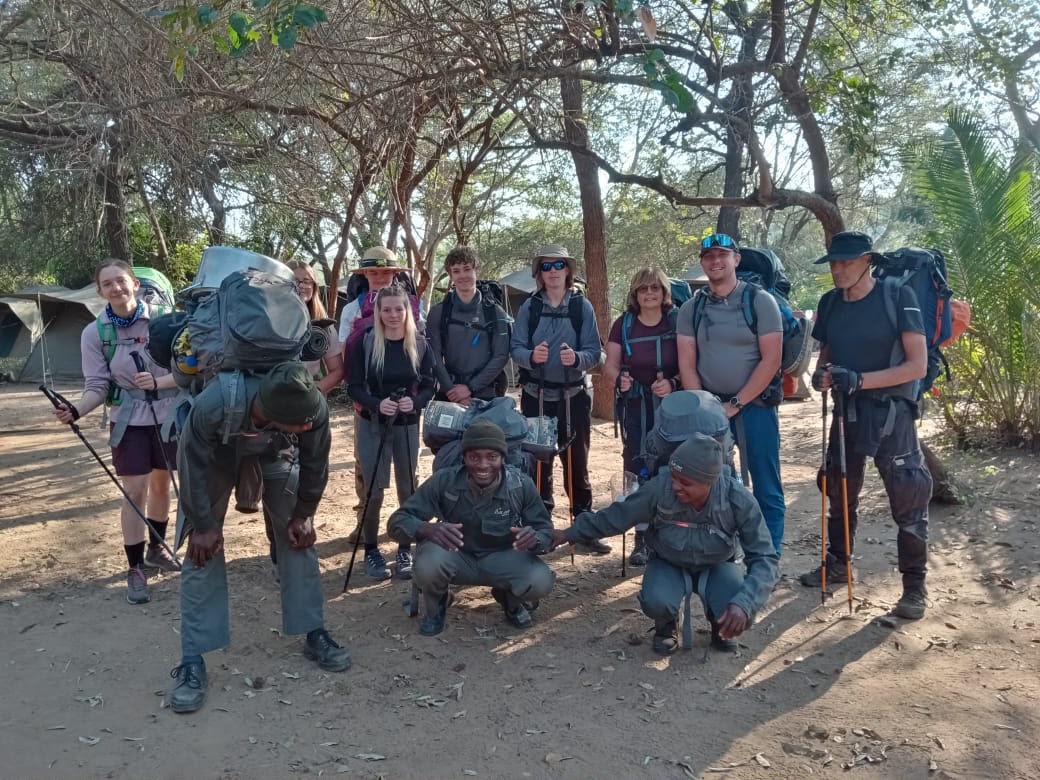
The expedition was organised by Medina College and The Island VI Form, with students from Carisbrooke College also given the opportunity to take part. The three schools are all part of the HISP Multi Academy Trust, enabling students from across the Trust to come together for this unique international experience.
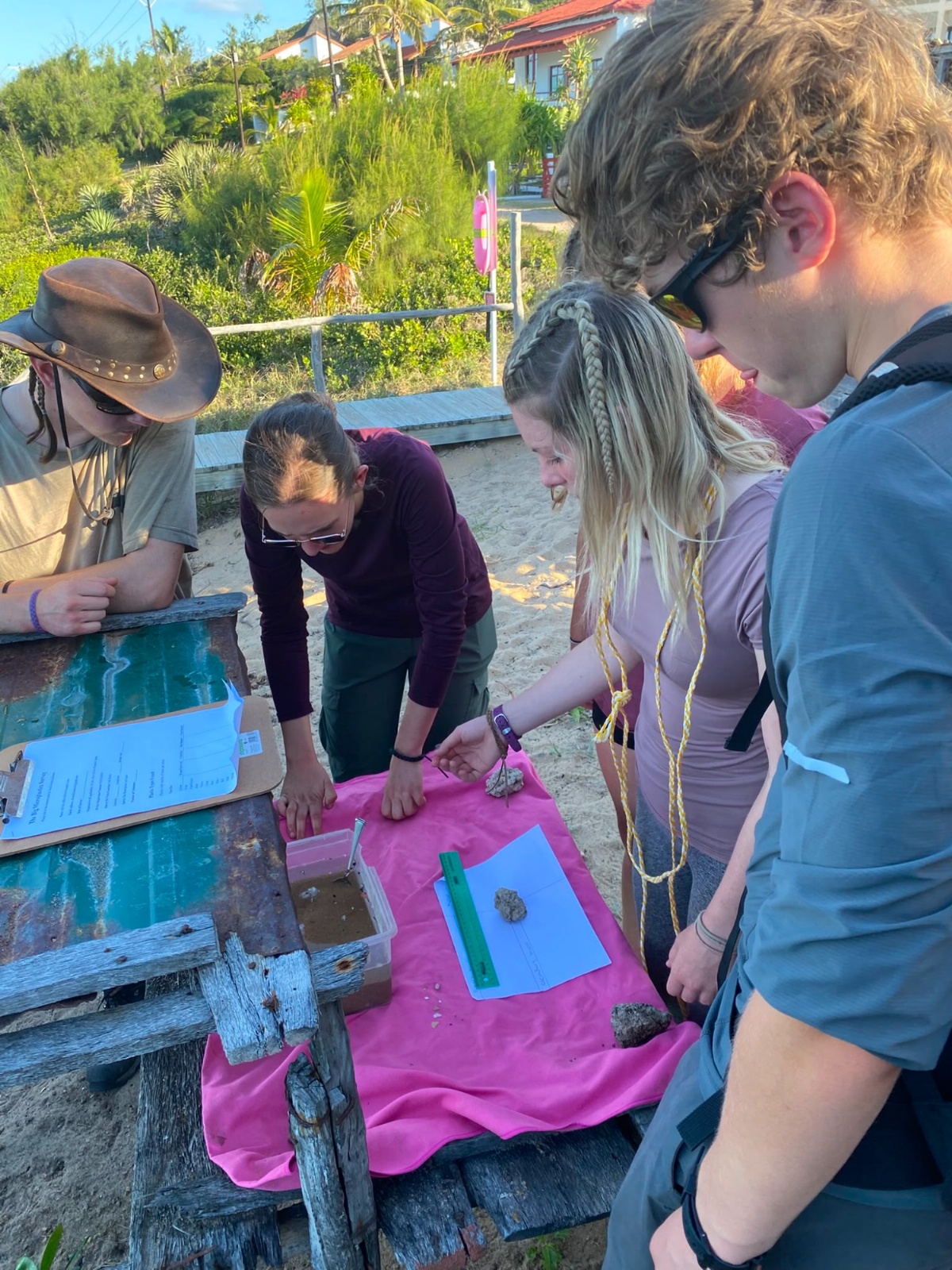
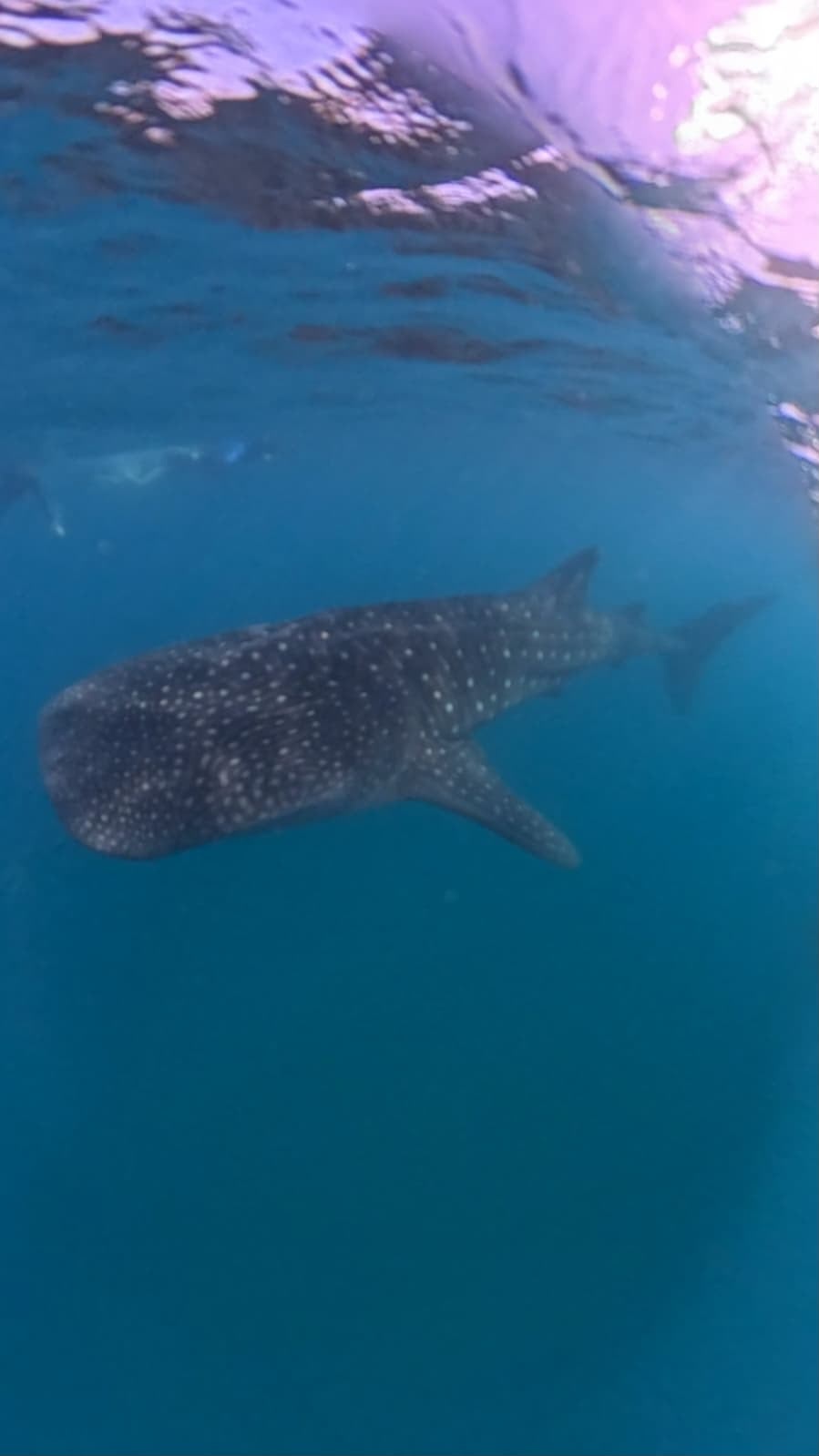
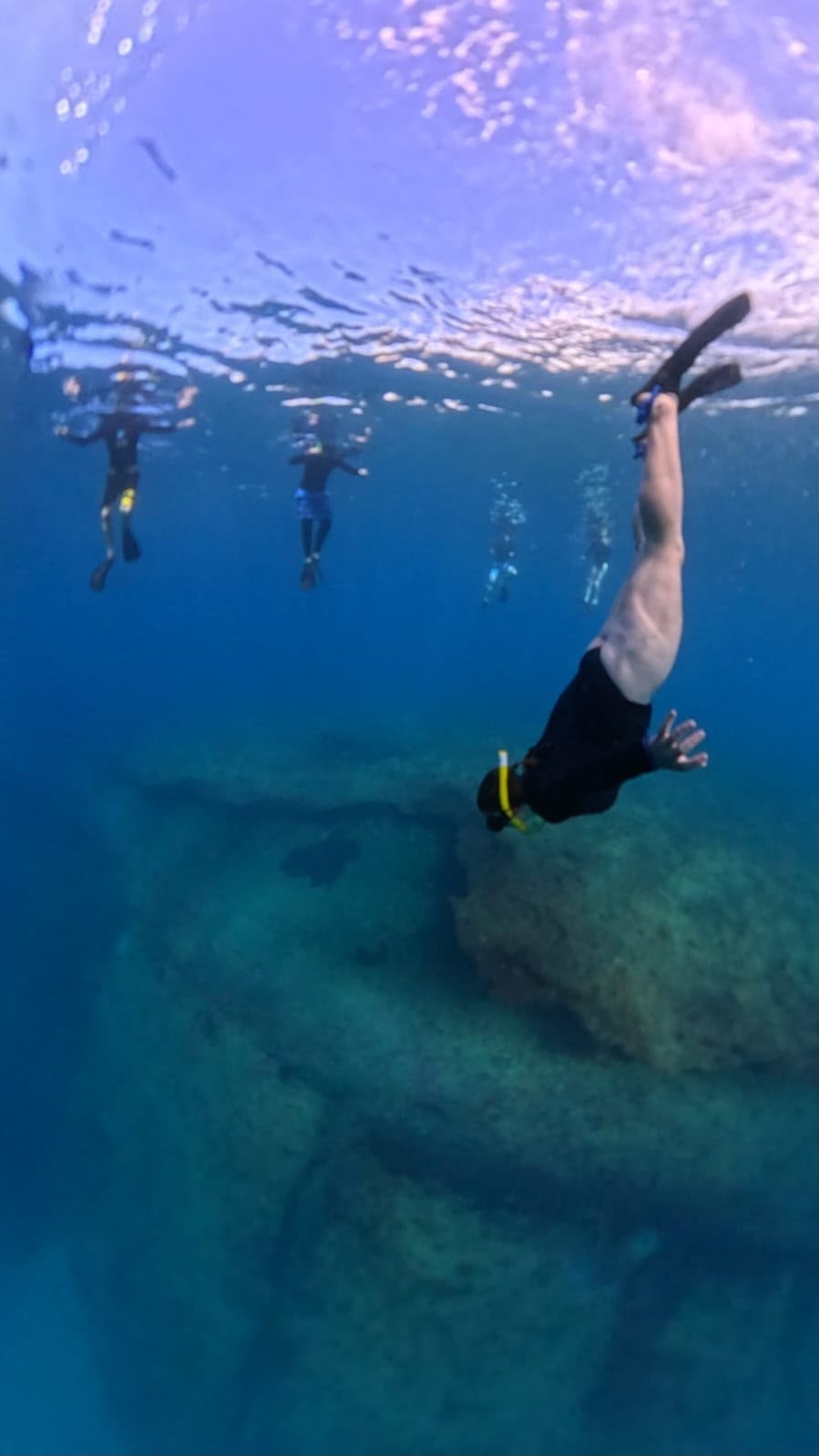
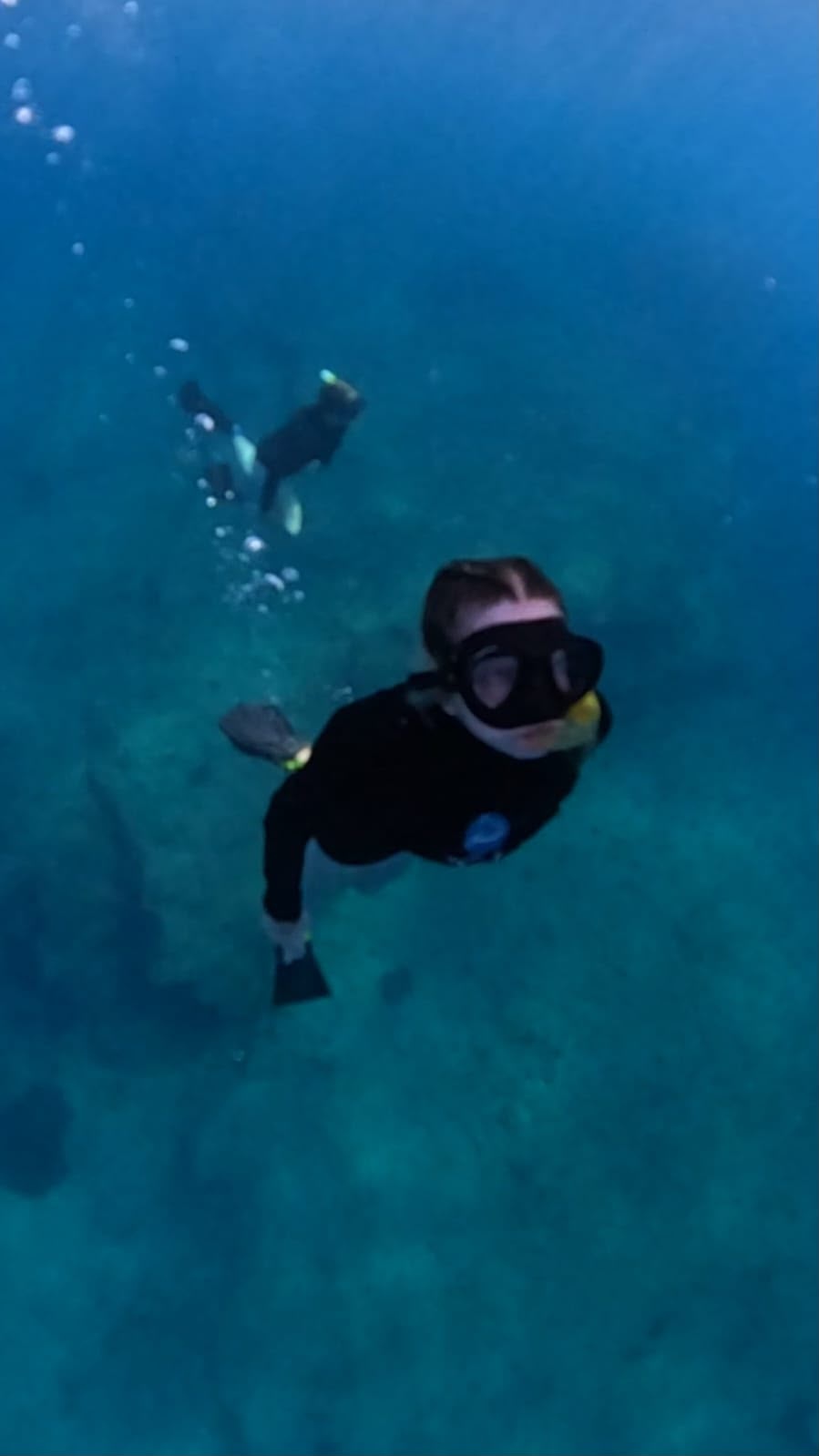
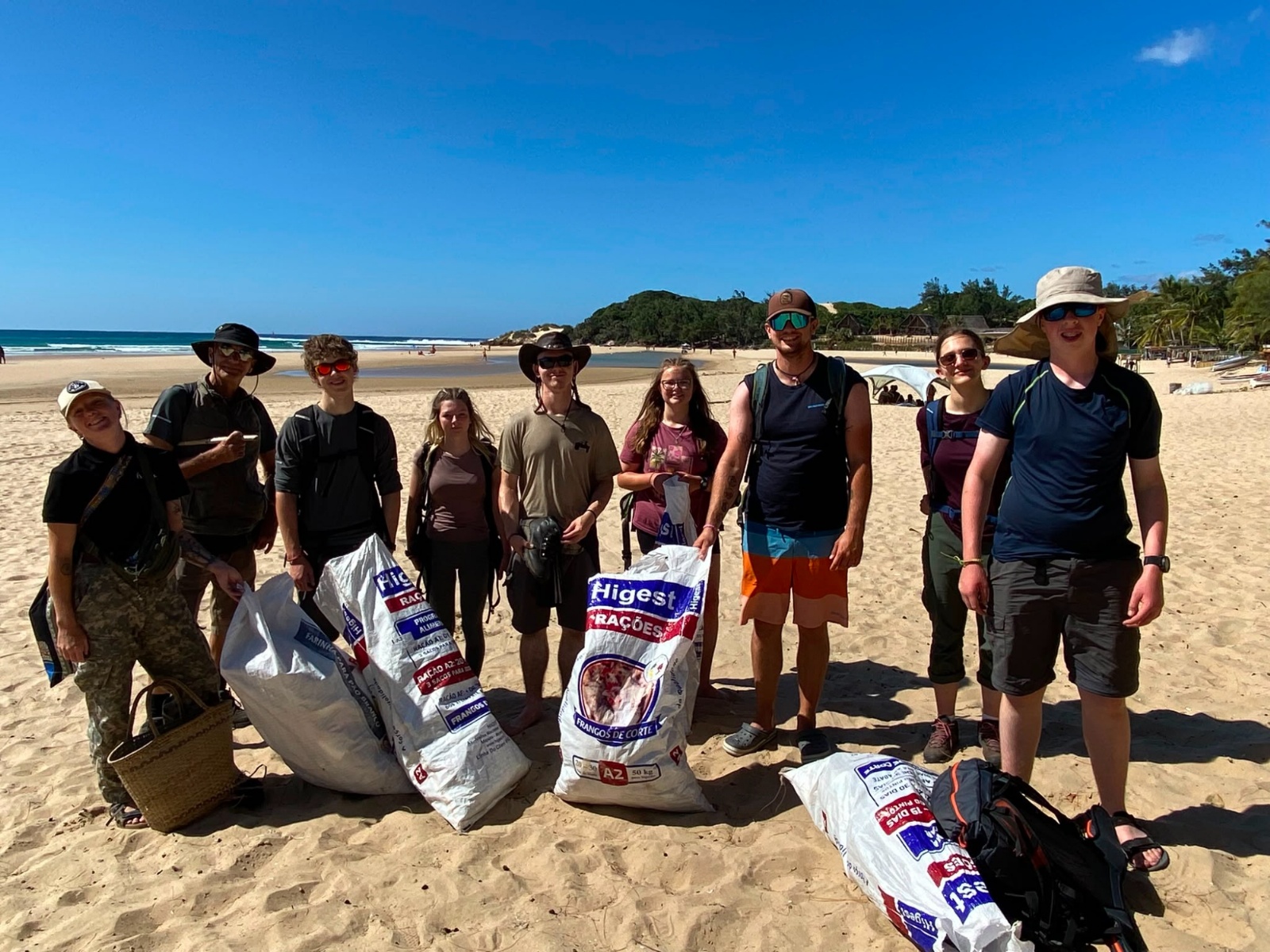
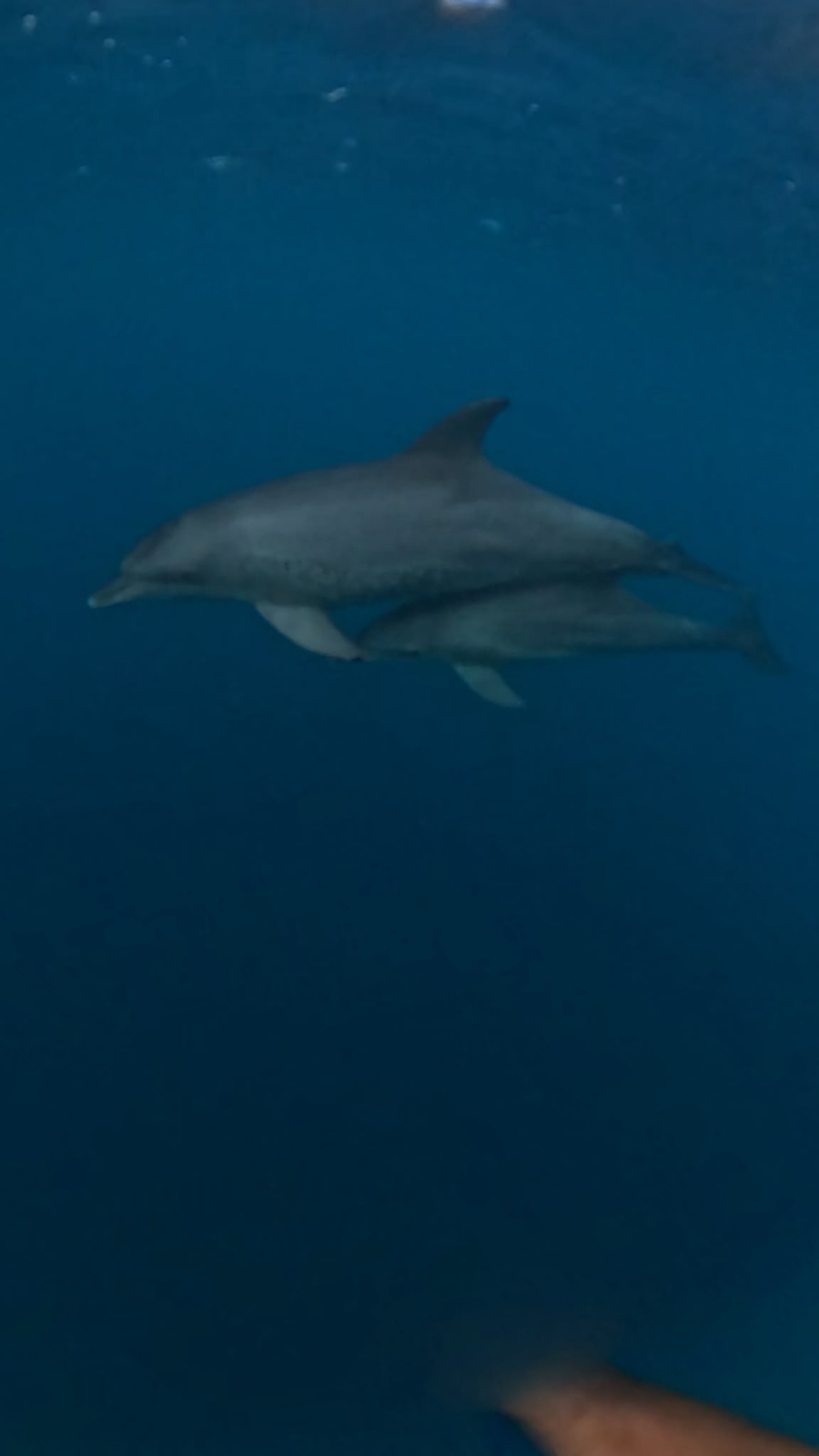
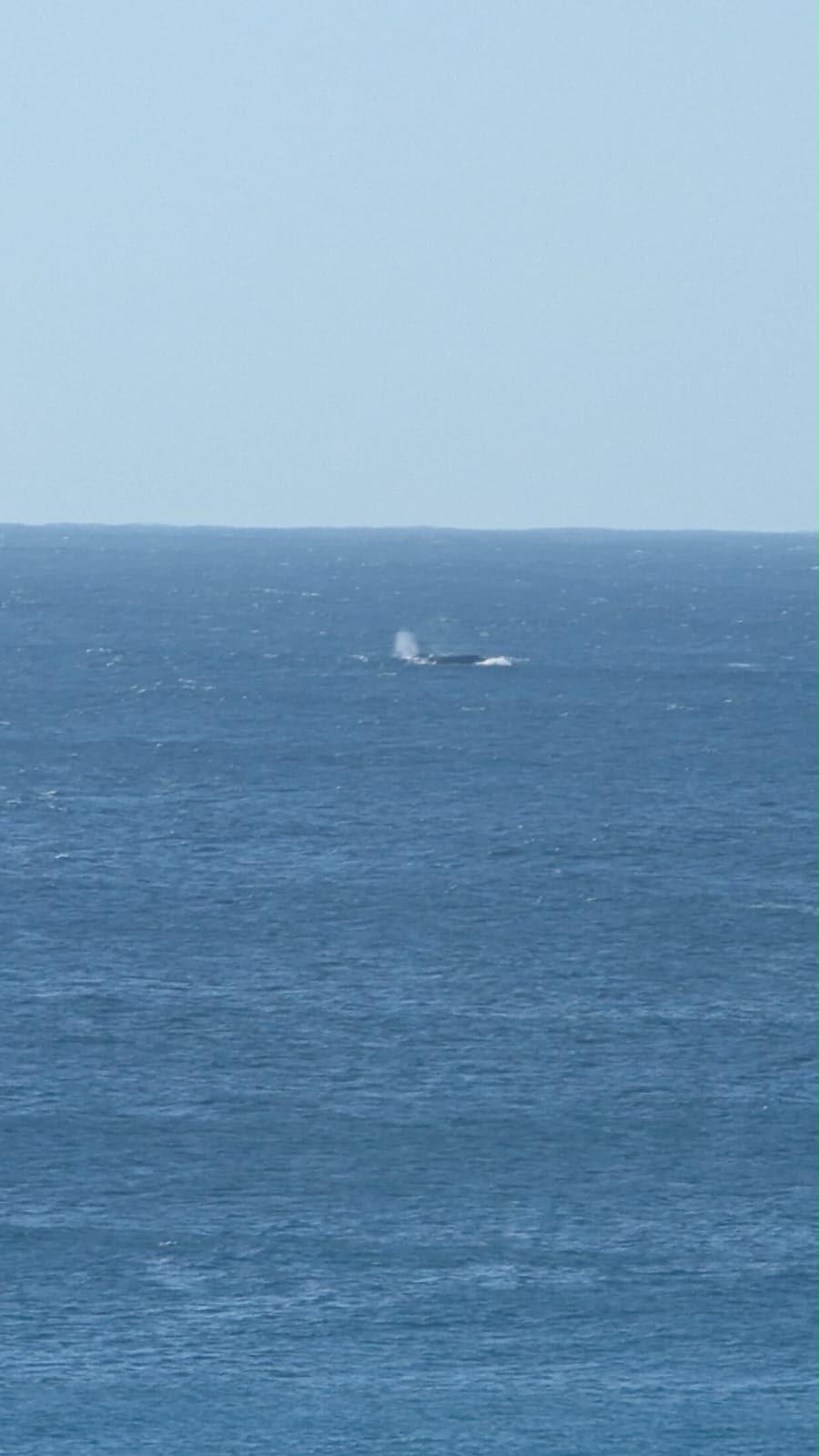
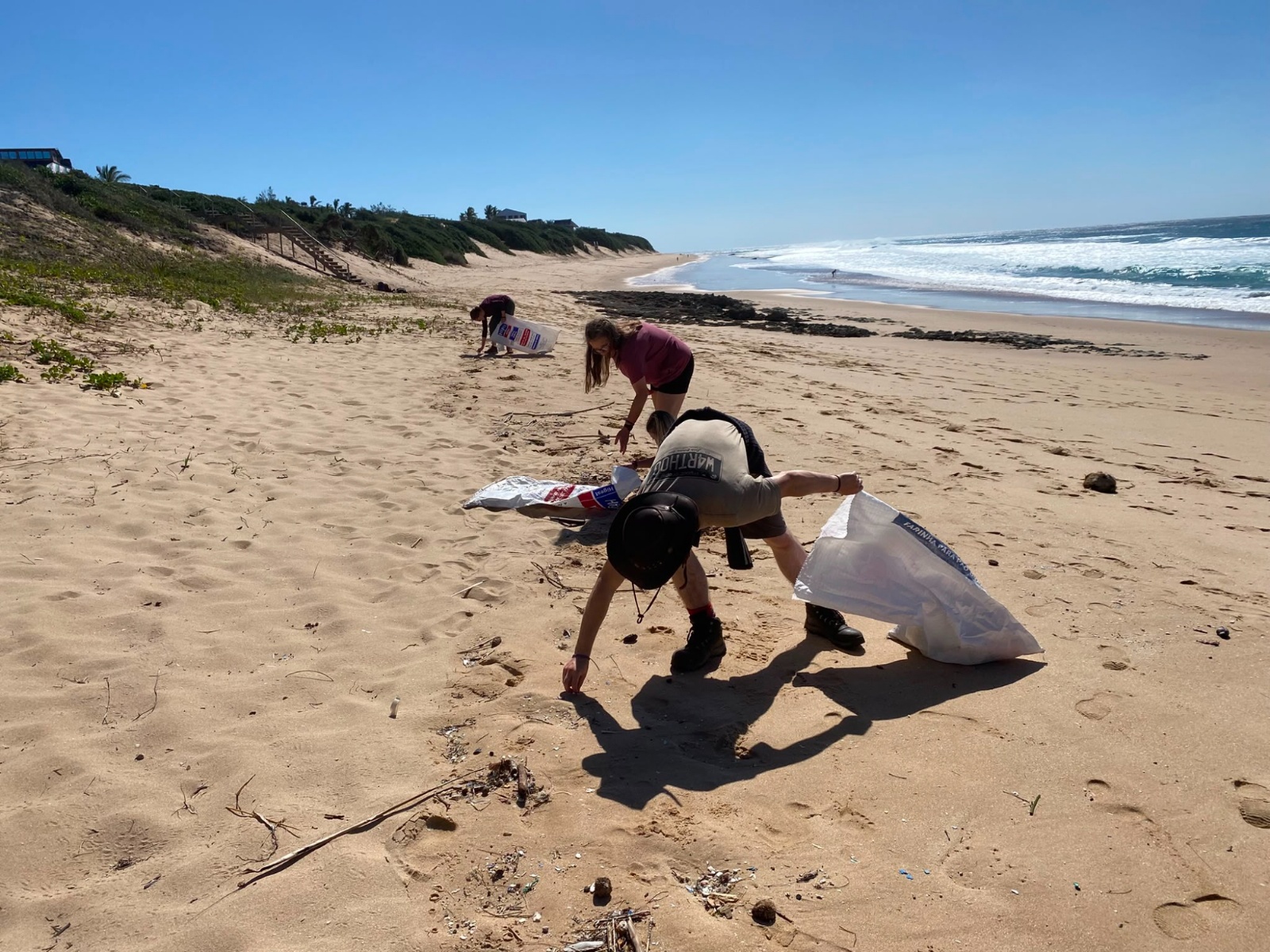
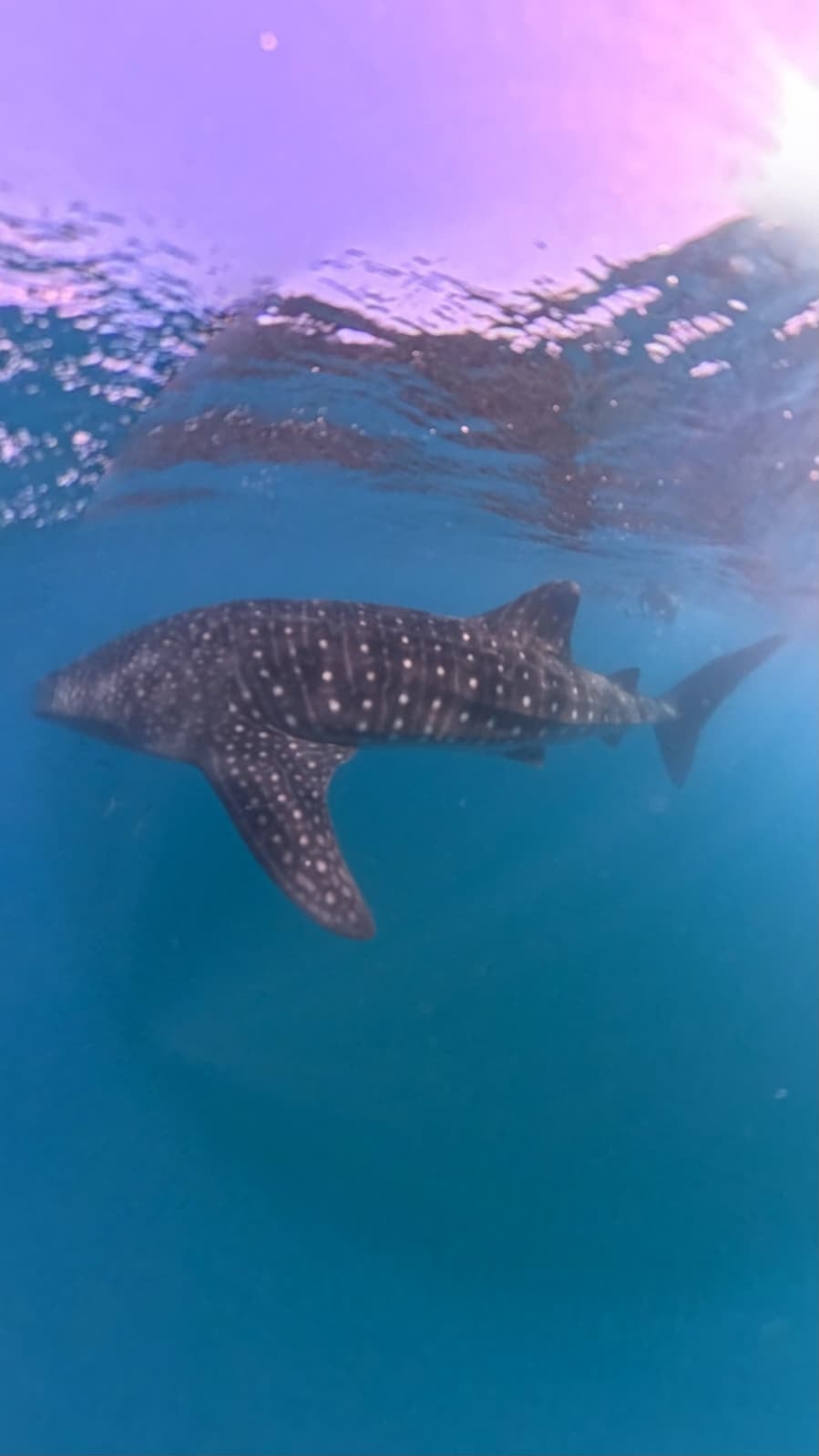
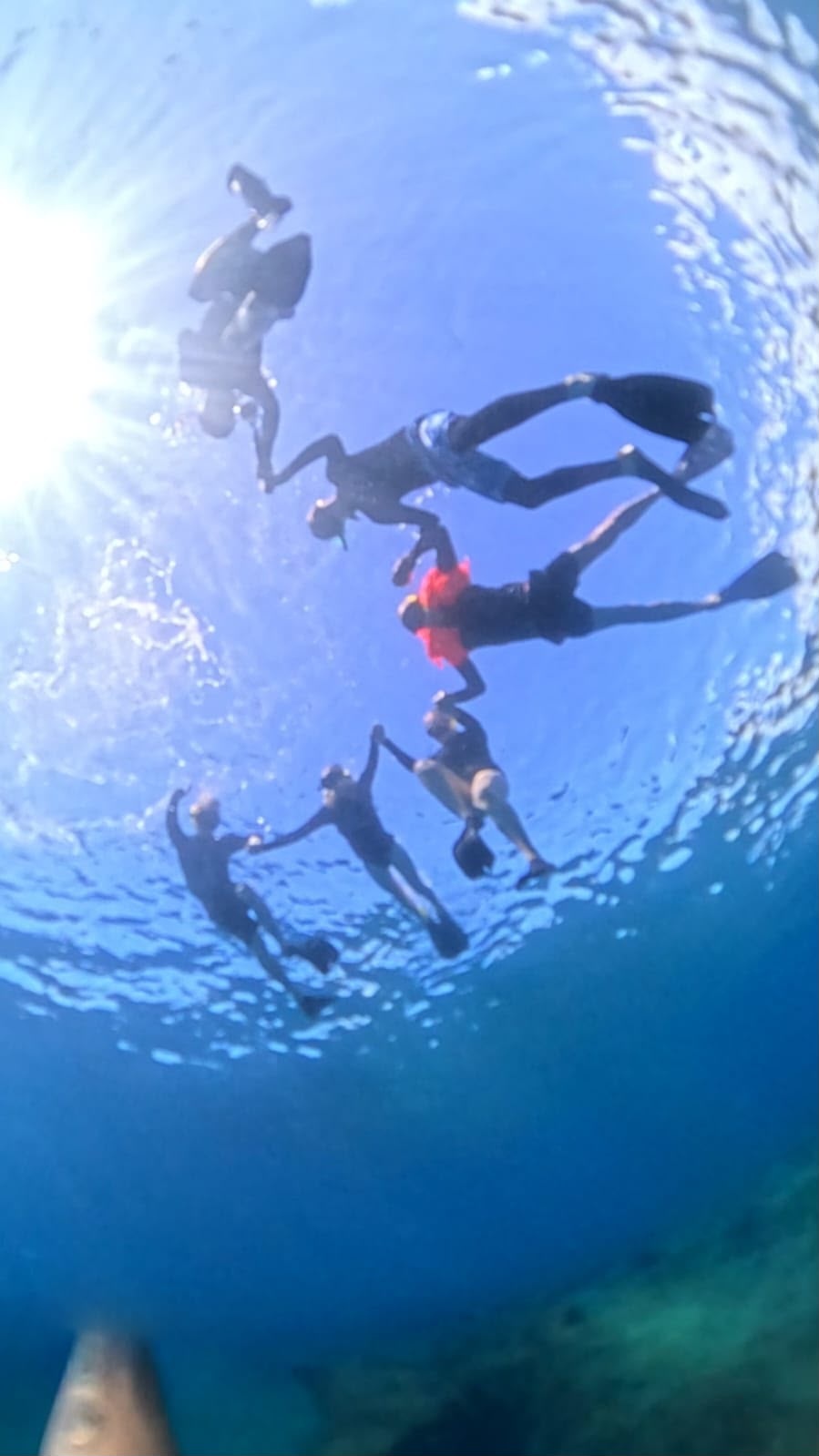
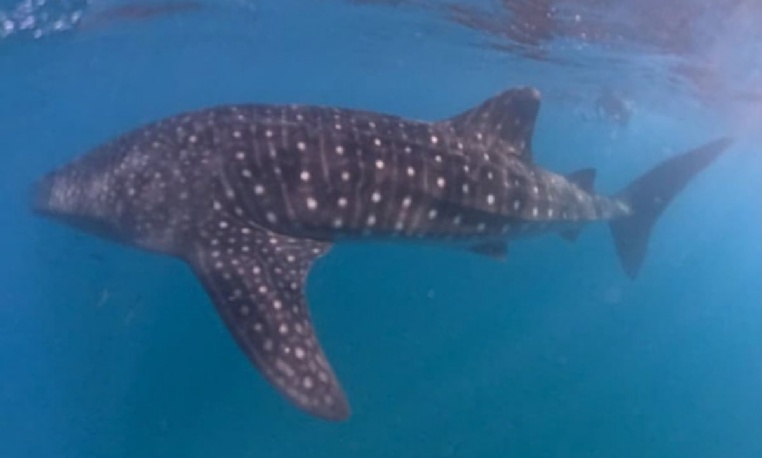
As part of the expedition's marine conservation programme in Tofo, Mozambique, students took part in ocean safaris to monitor marine life, alongside humpback whale monitoring, beach clean-ups and microplastic surveys. During one of the ocean safaris, the group had the extraordinary opportunity to swim alongside a whale shark.
Whale sharks can be individually identified by the distinctive patterns of spots and stripes behind their gills and pectoral fins. When students photographed the whale shark they encountered, the images were compared with existing records and revealed that it had not previously been identified.
The whale shark has now been officially registered with the identification number MZ-915 Medina, meaning the students have played a direct part in documenting a previously unrecorded individual and contributing to ongoing whale shark research and conservation.
For the students, this was just one of many extraordinary experiences during an expedition that combined adventure, conservation, cultural immersion and community service.
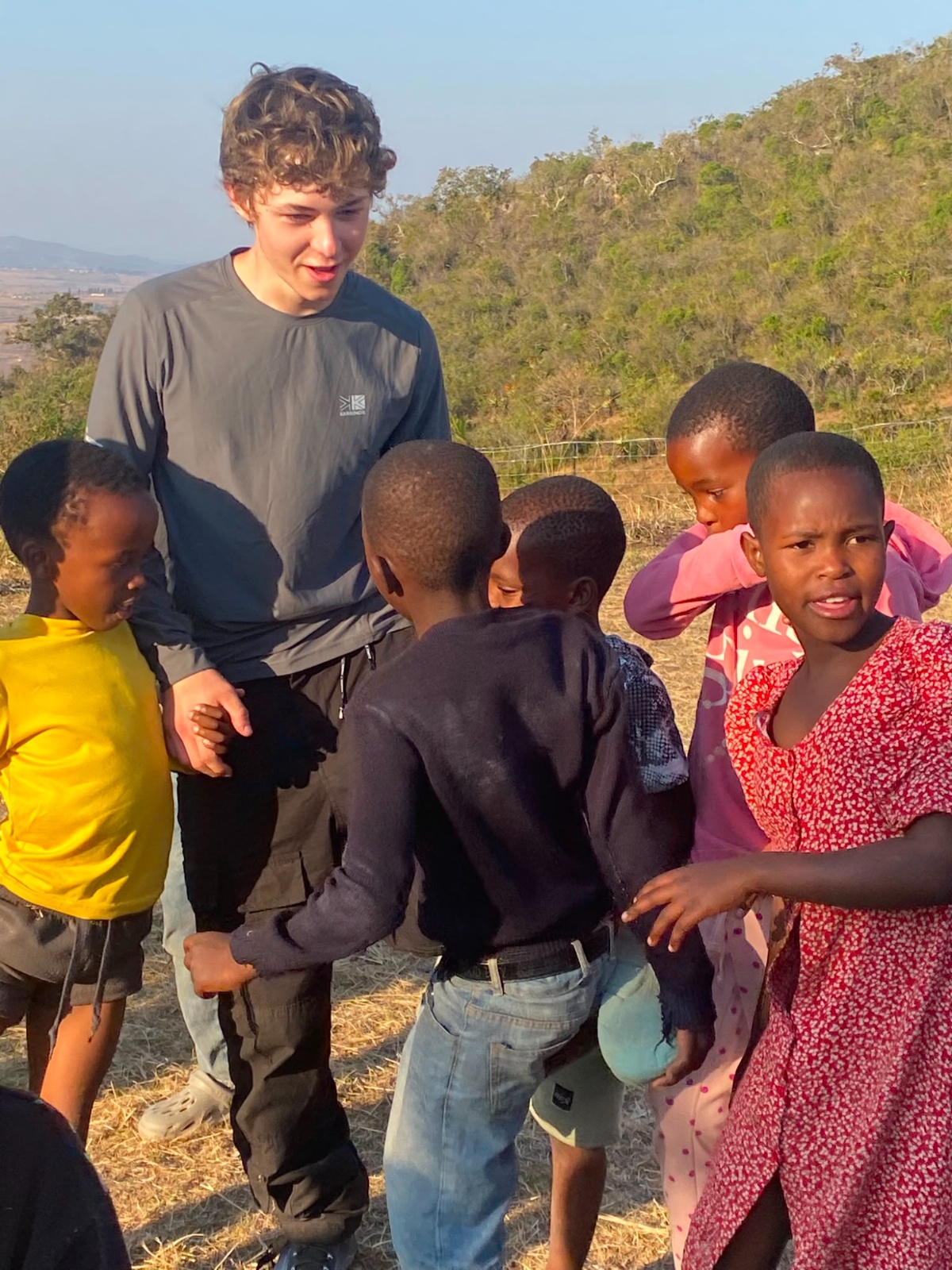
The three-week journey began in Eswatini, where students immersed themselves in local culture while undertaking a community project at Ndinda National Care Point. Care points provide safe spaces for vulnerable children and offer them a cooked meal each day.
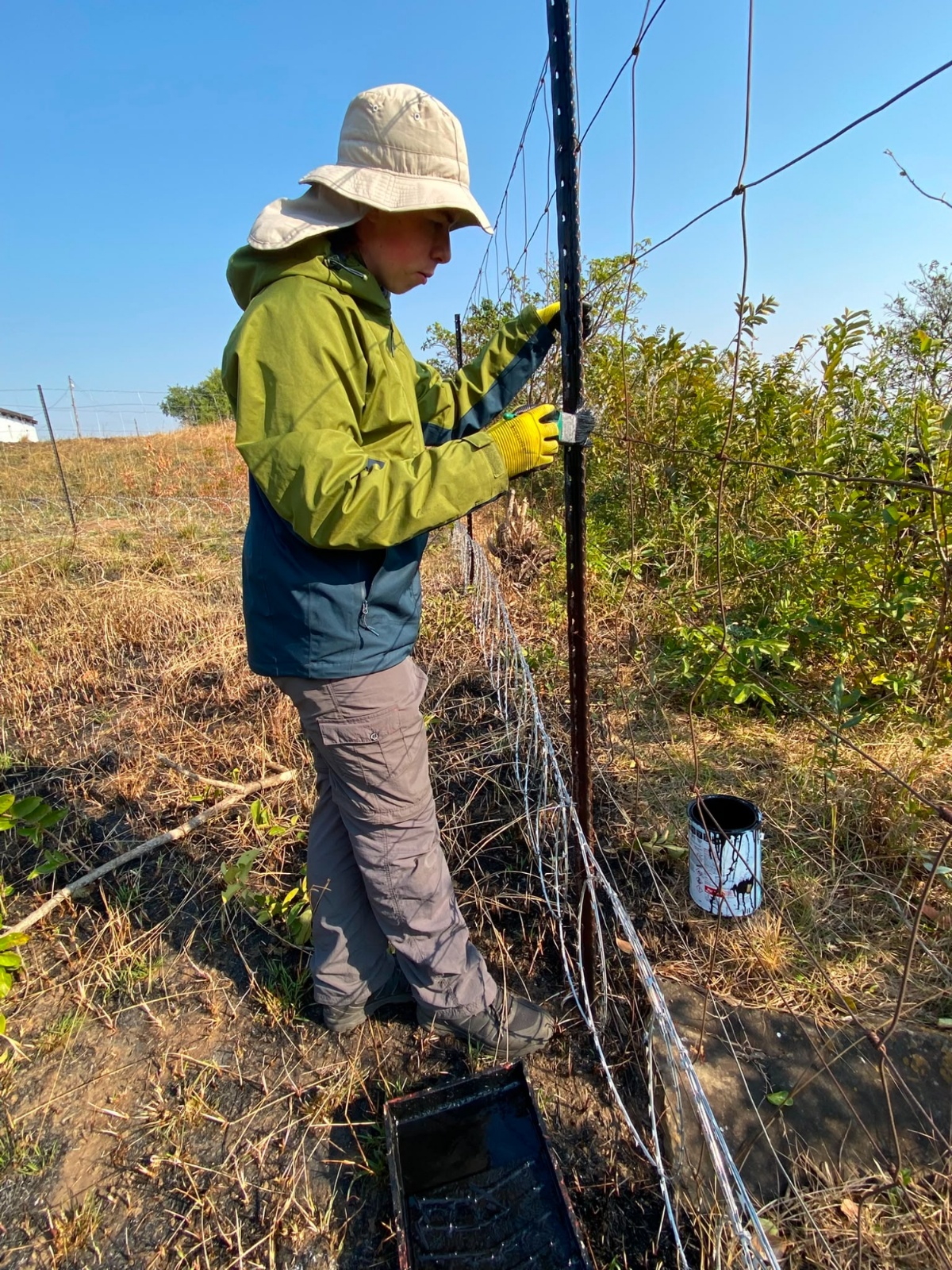
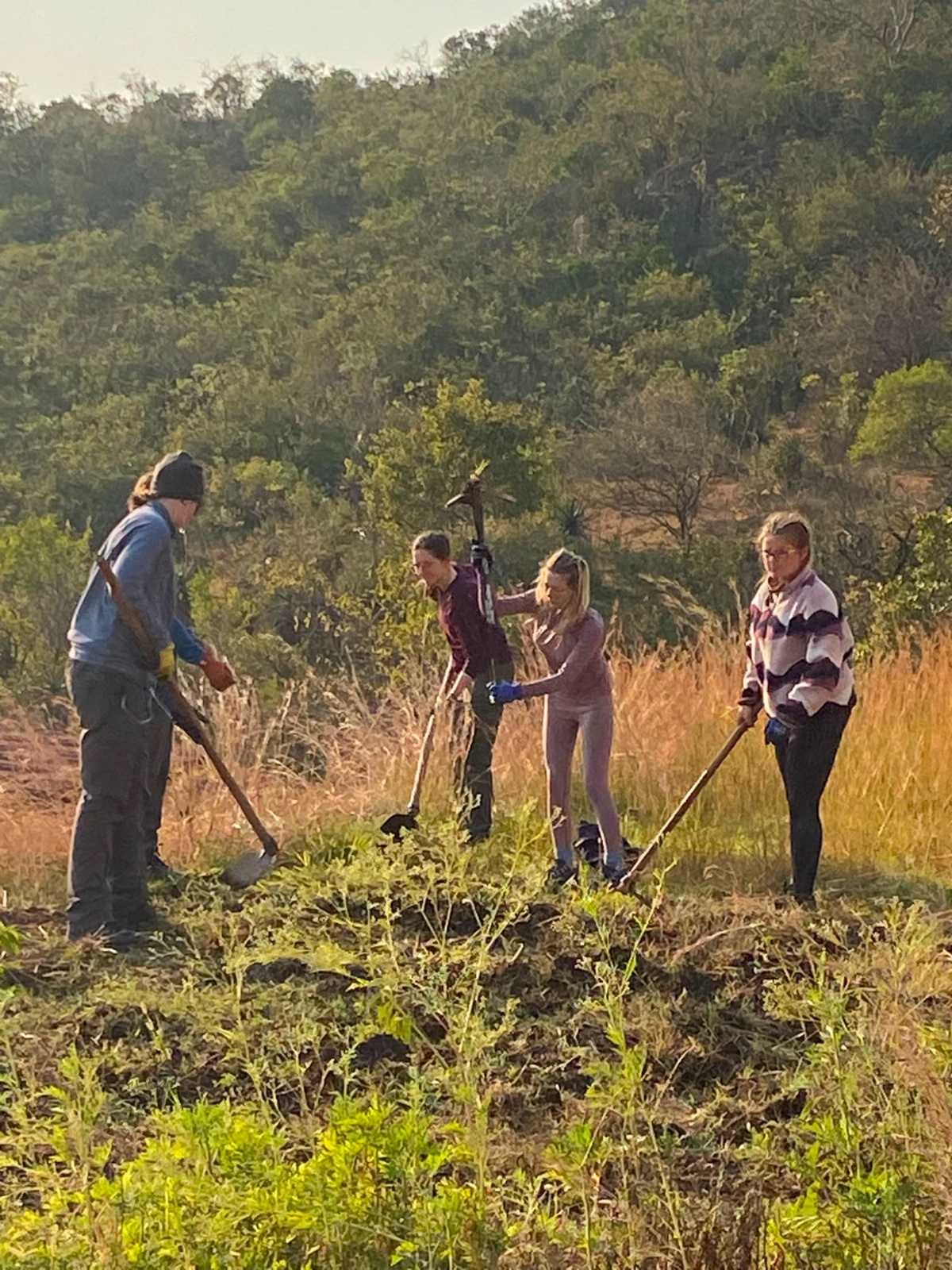
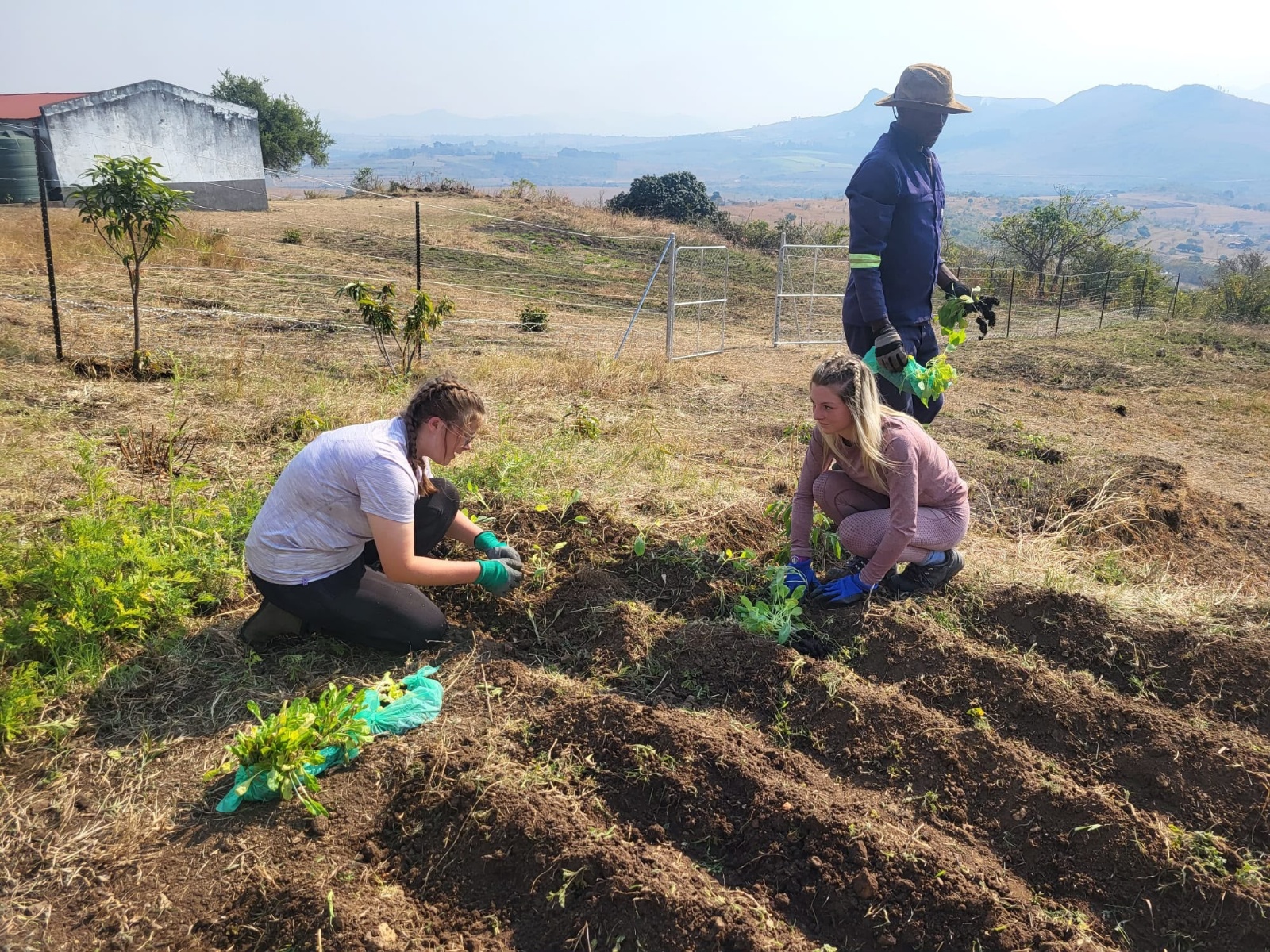
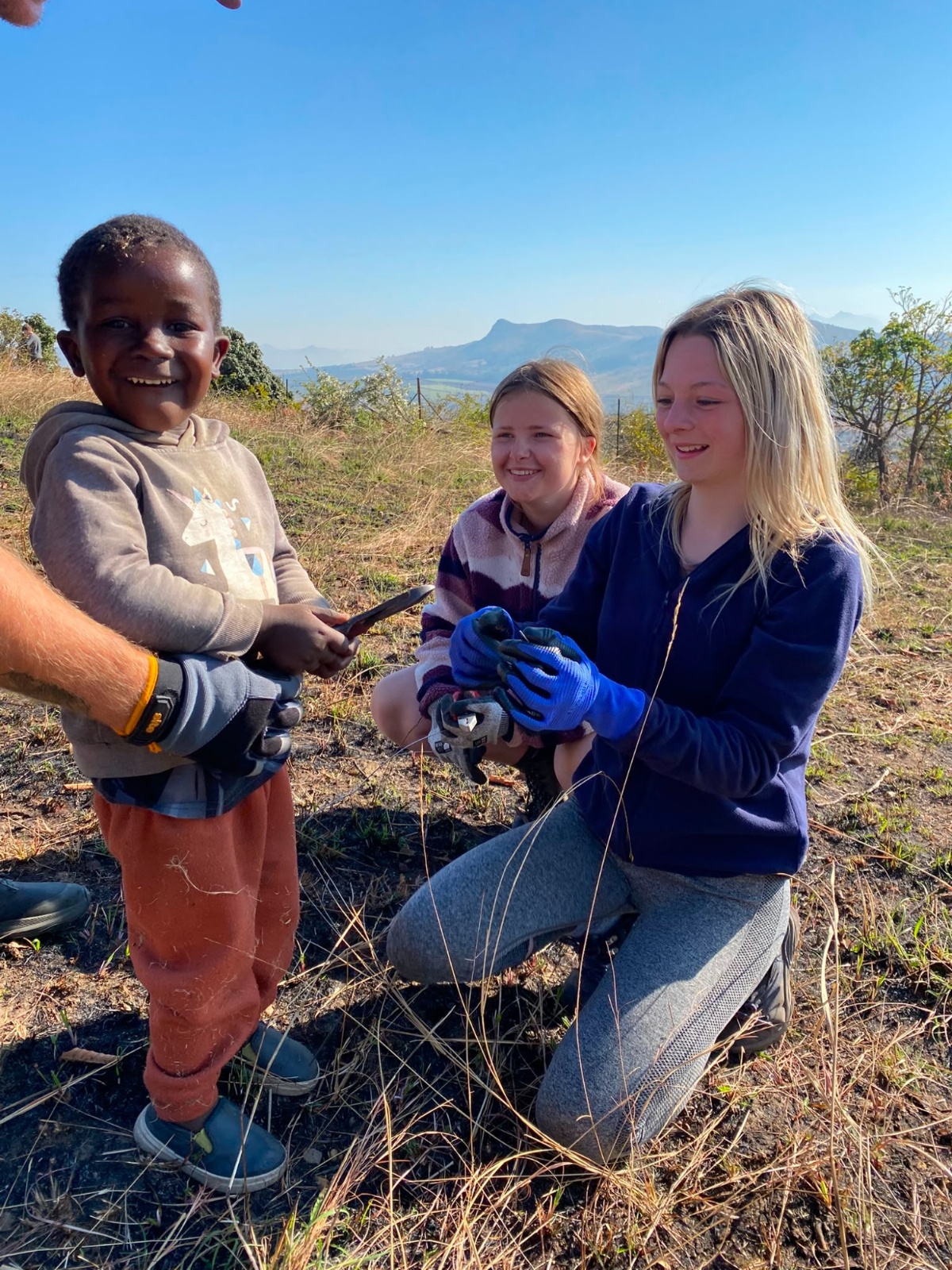
Working alongside local volunteers, the students helped to dig and plant a vegetable garden and fruit trees, fence the area to protect it from wildlife, dig trenches to help protect the water supply from forest fires and clear scrubland to improve the environment for the children who use the care point.
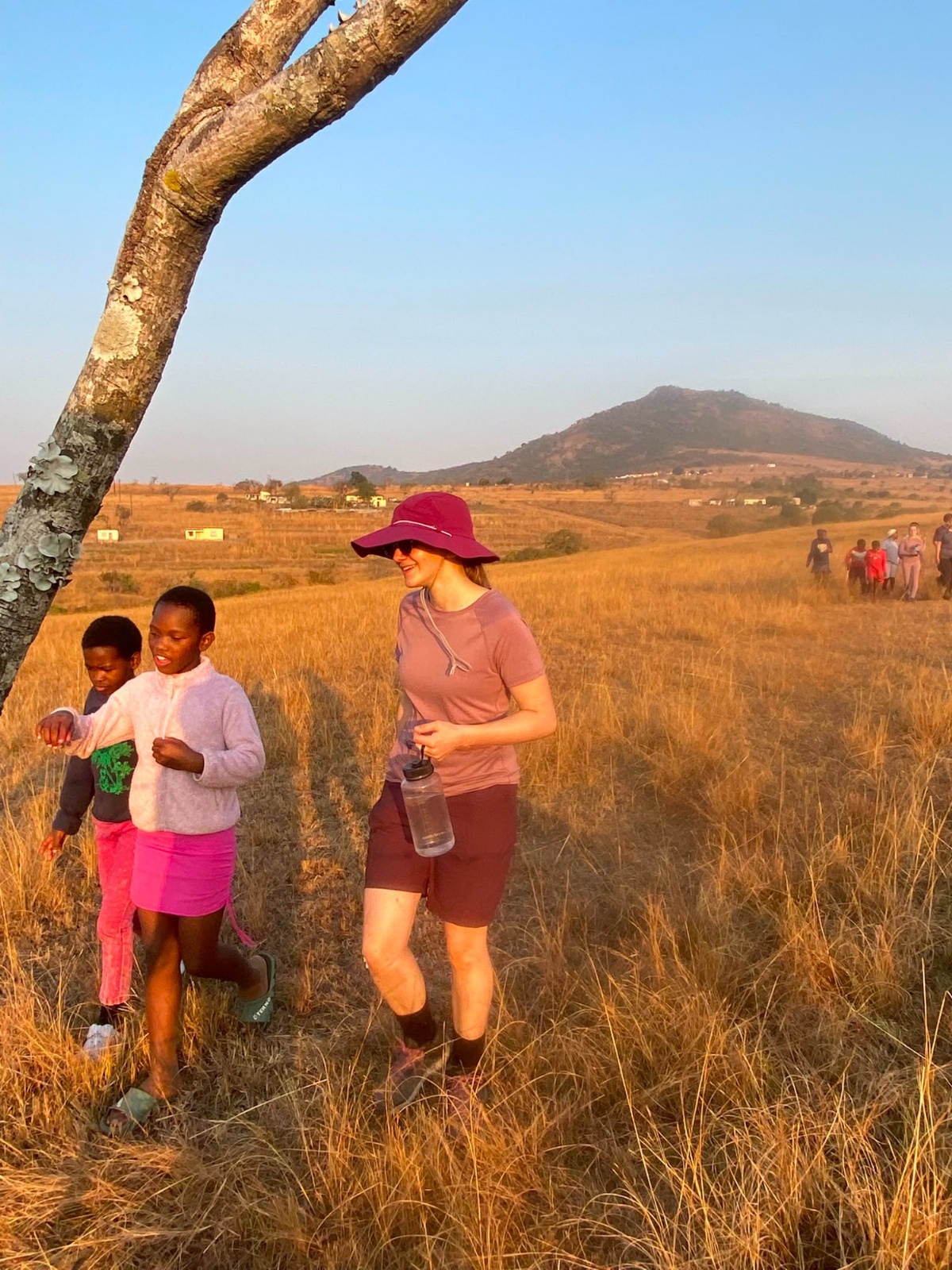
The students' hard work was recognised by the project coordinator, who praised their commitment and the difference they had made to the community. However, it was the opportunity to spend time with the children at the end of each day that many students found most memorable.
The community also welcomed the group with a traditional meal on their final evening, followed by a football match between the students and local volunteers.
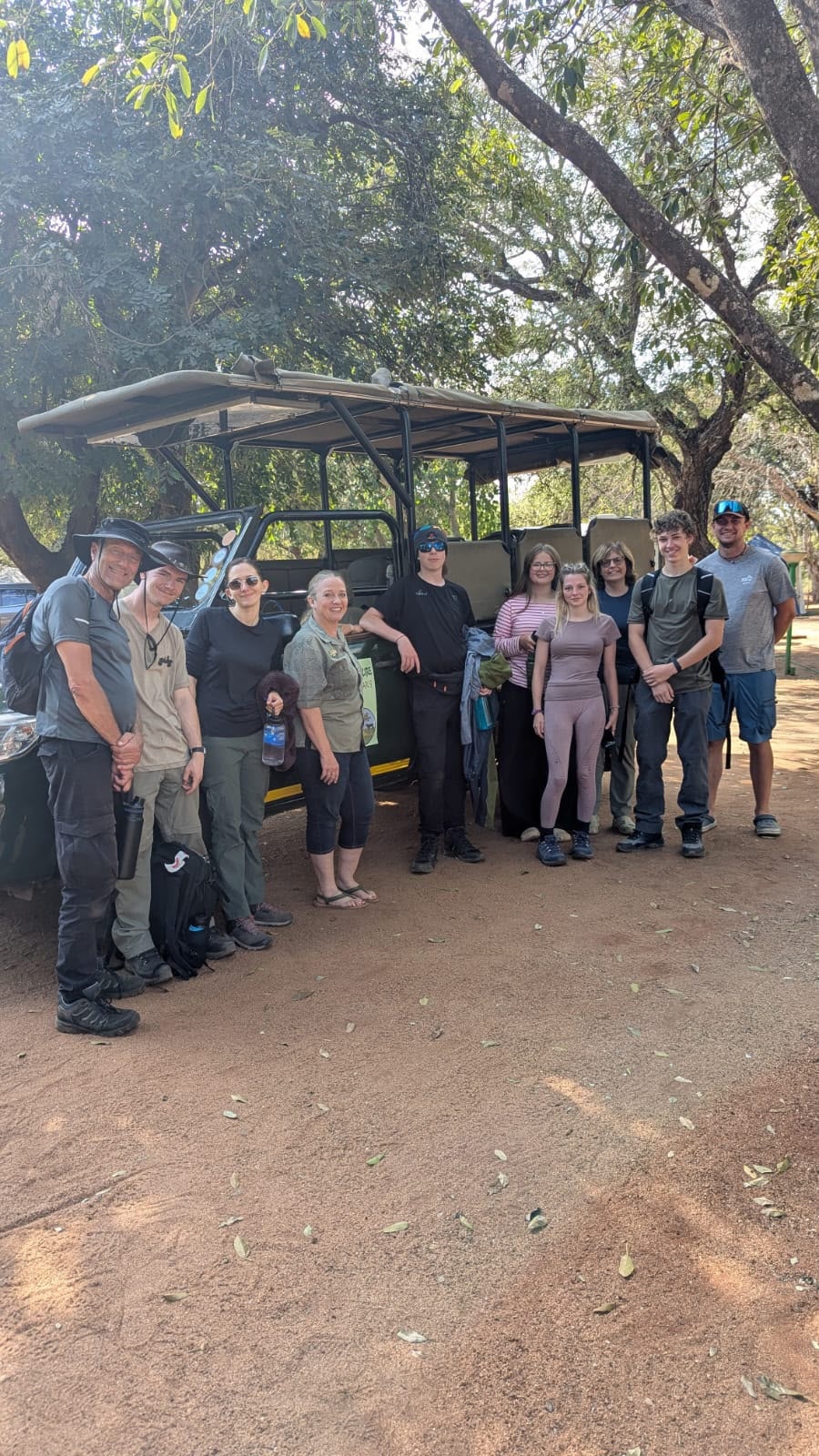
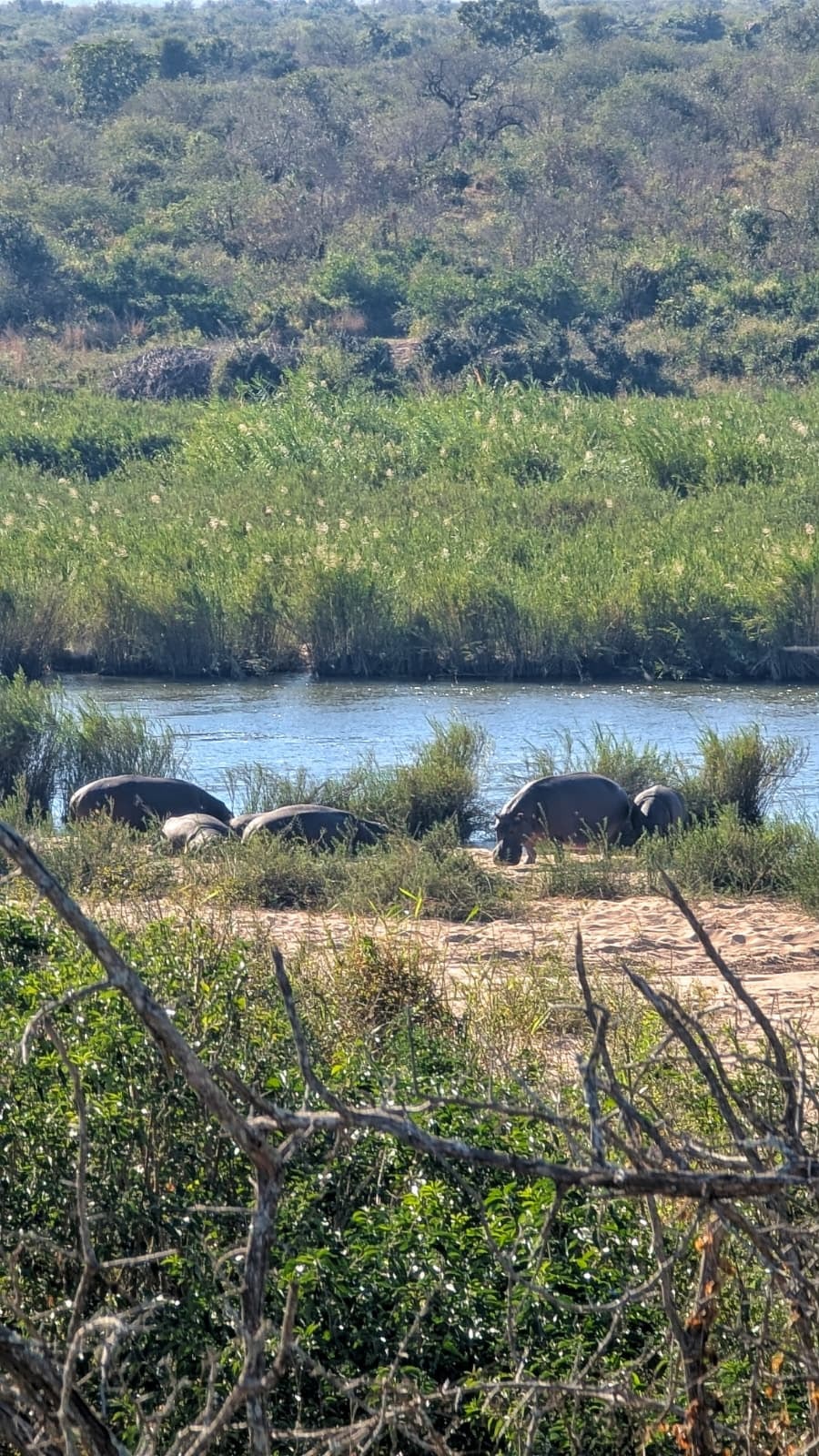
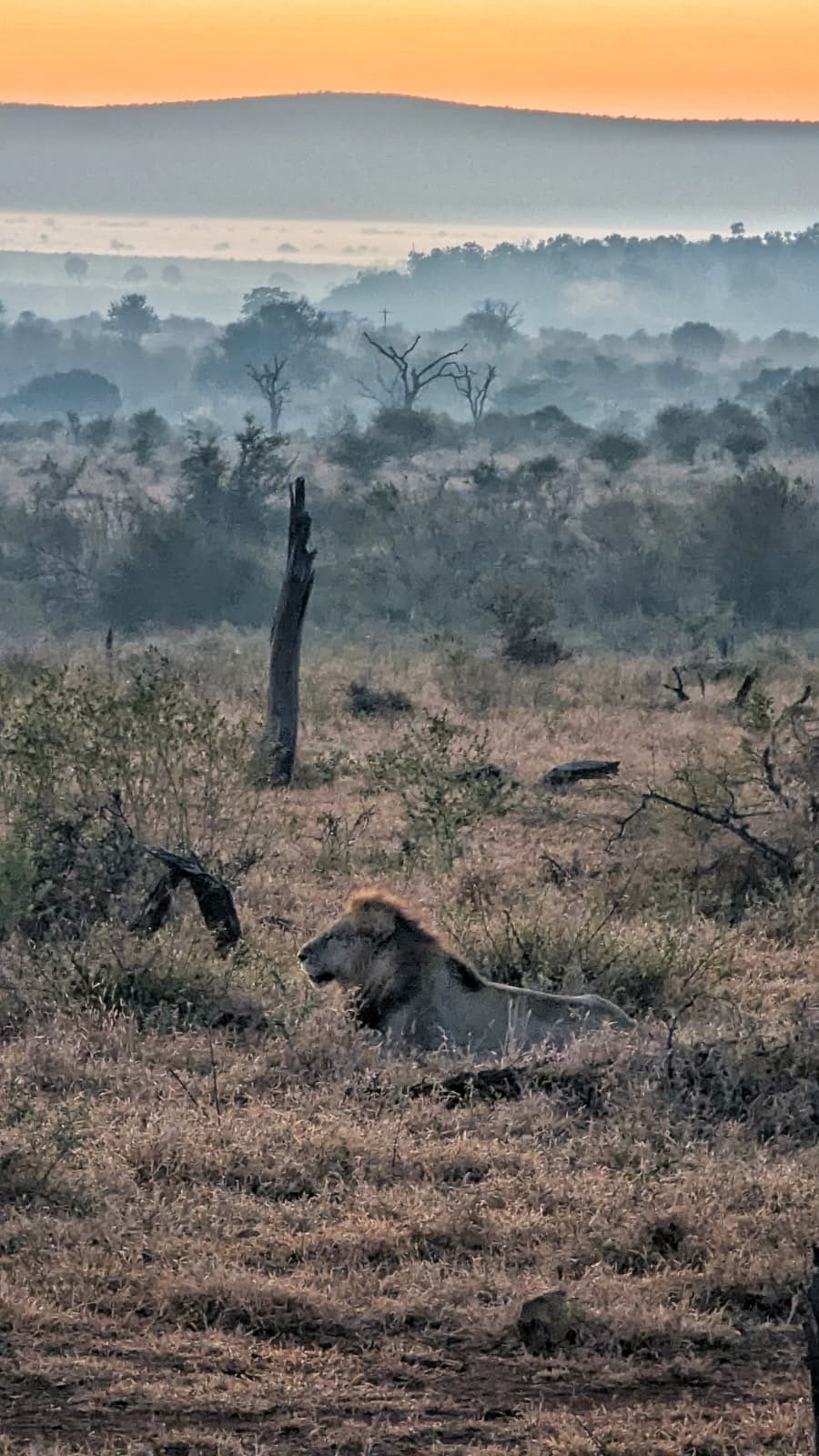
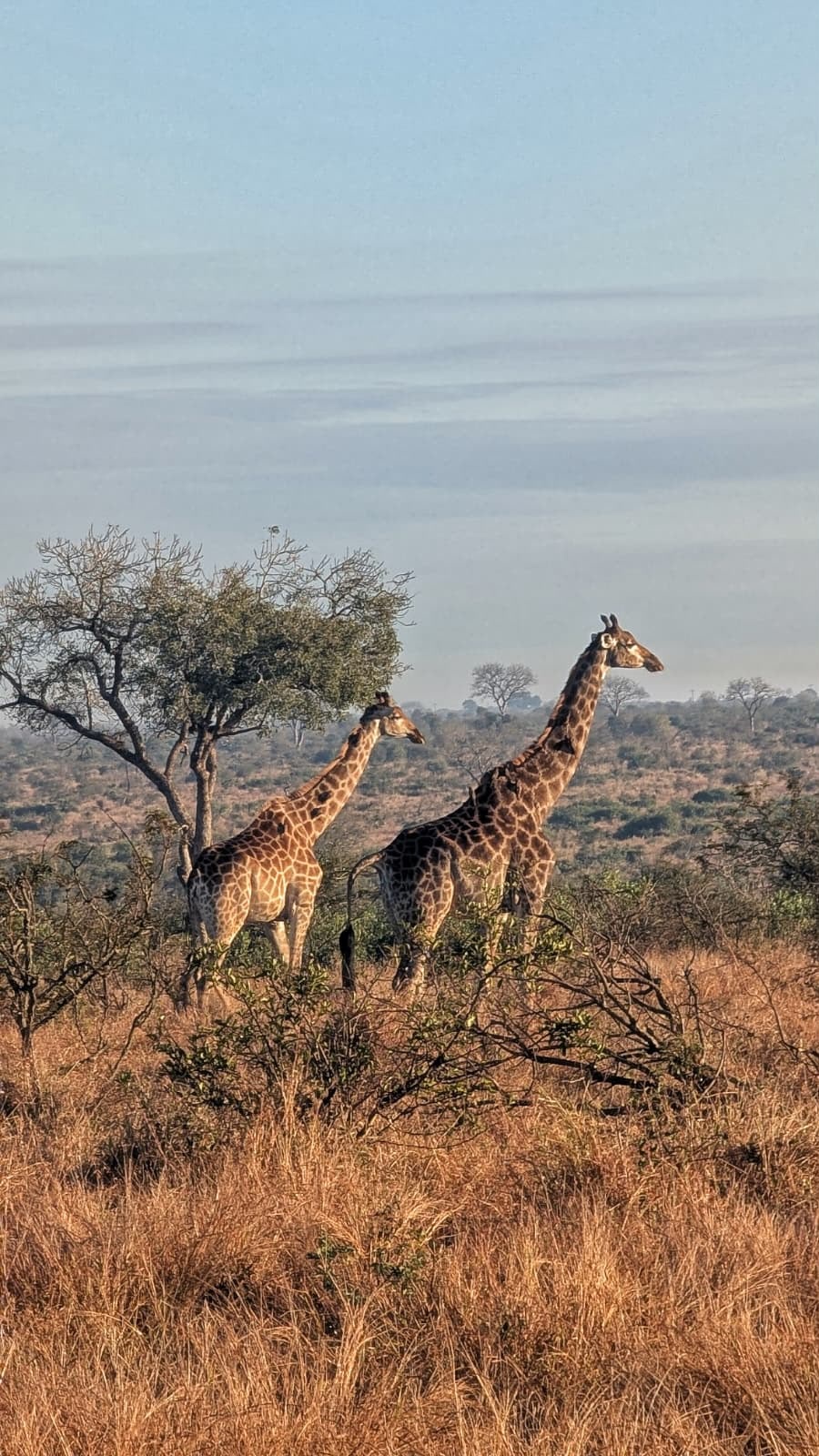
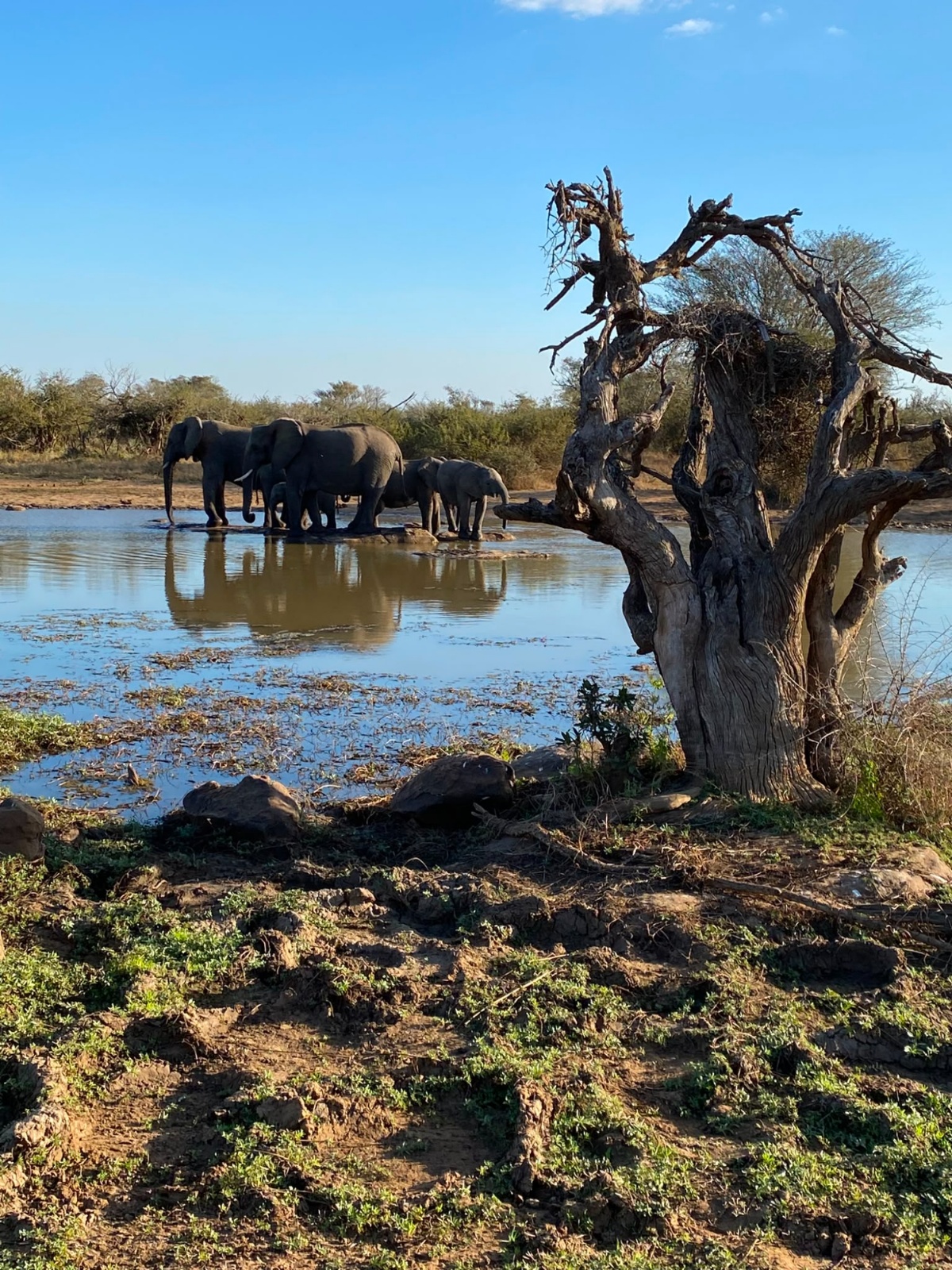
The expedition then took the students to Kruger National Park in South Africa, where they spent two days on safari and experienced an incredible variety of African wildlife.
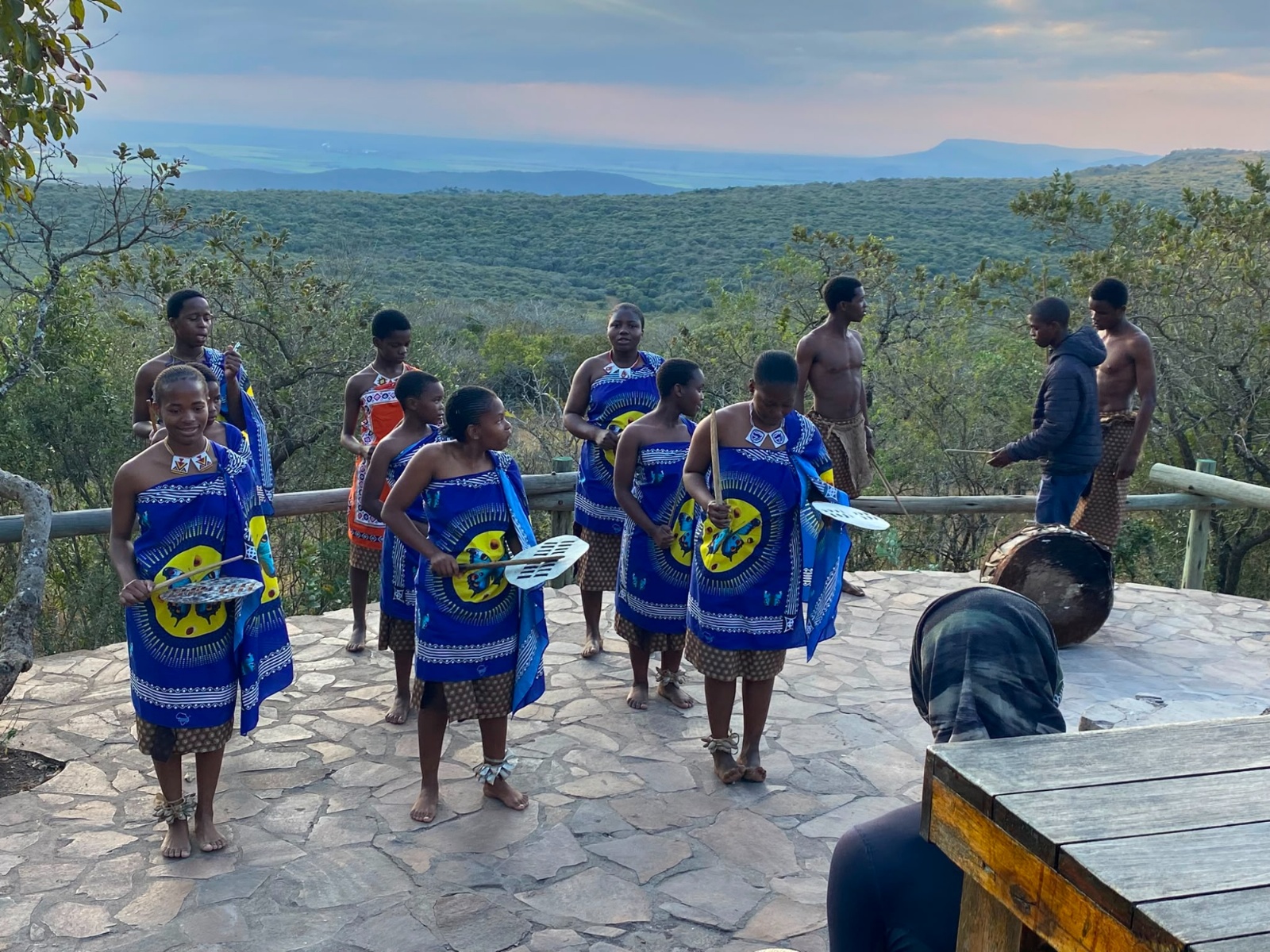
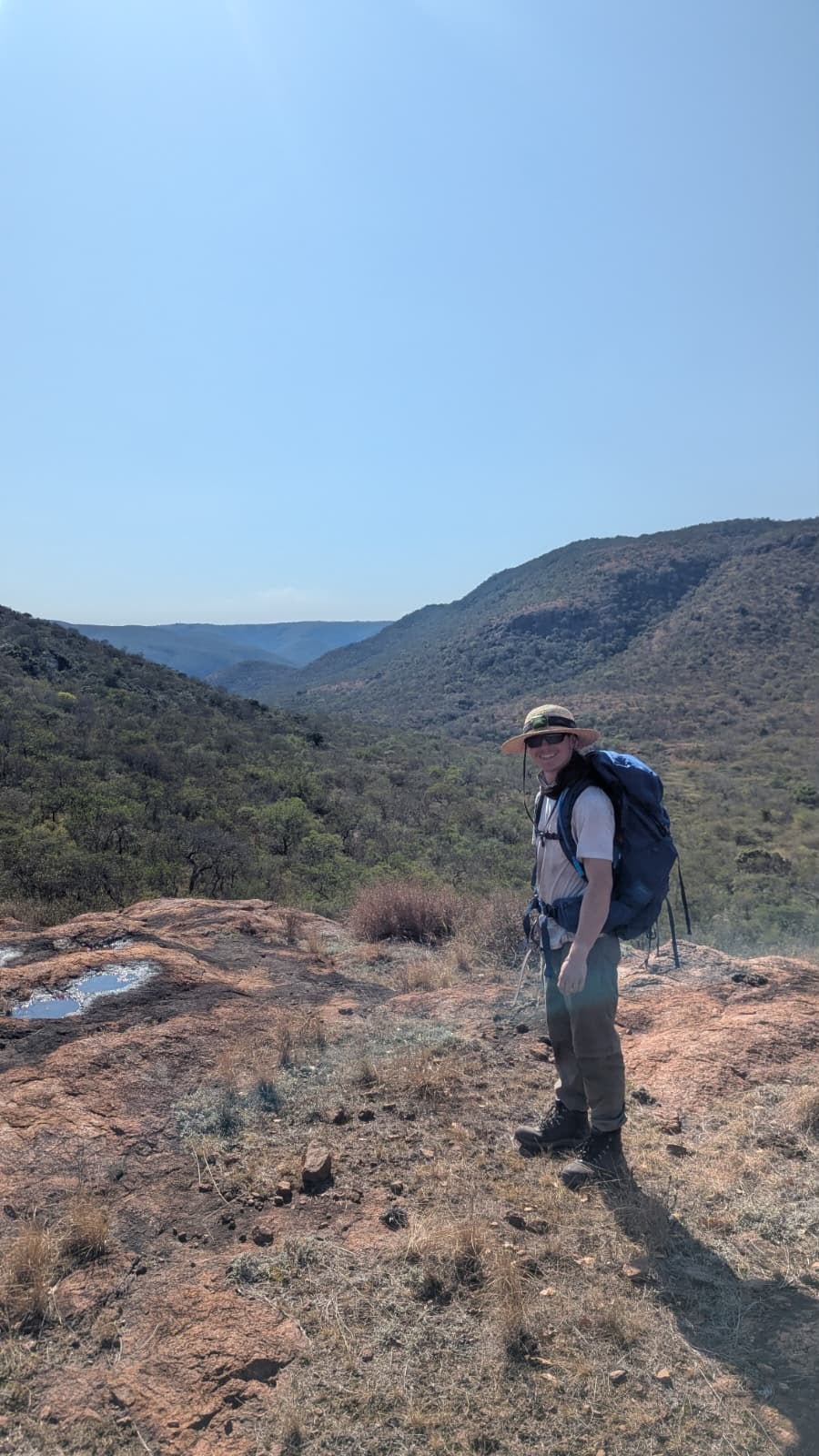
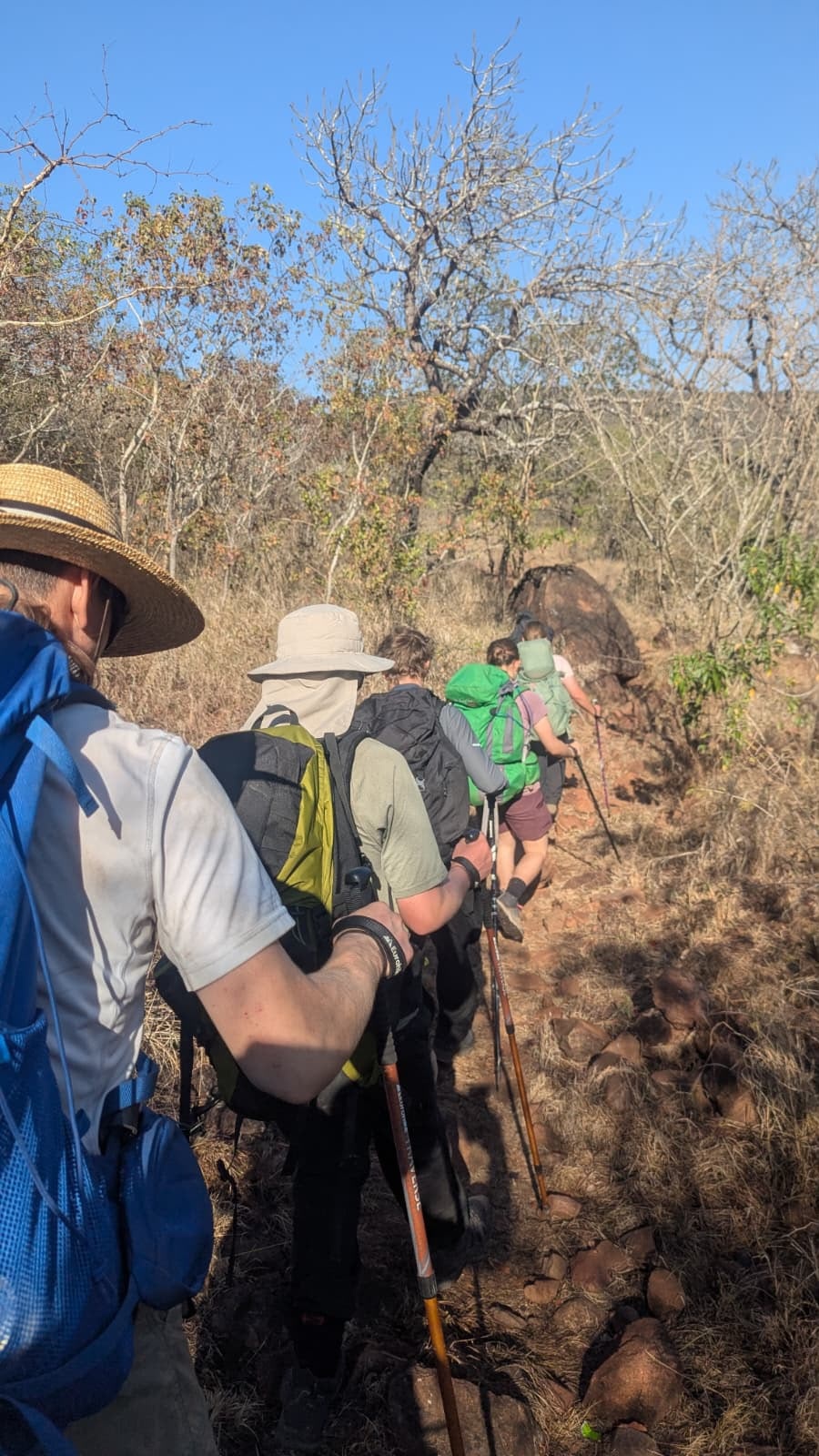
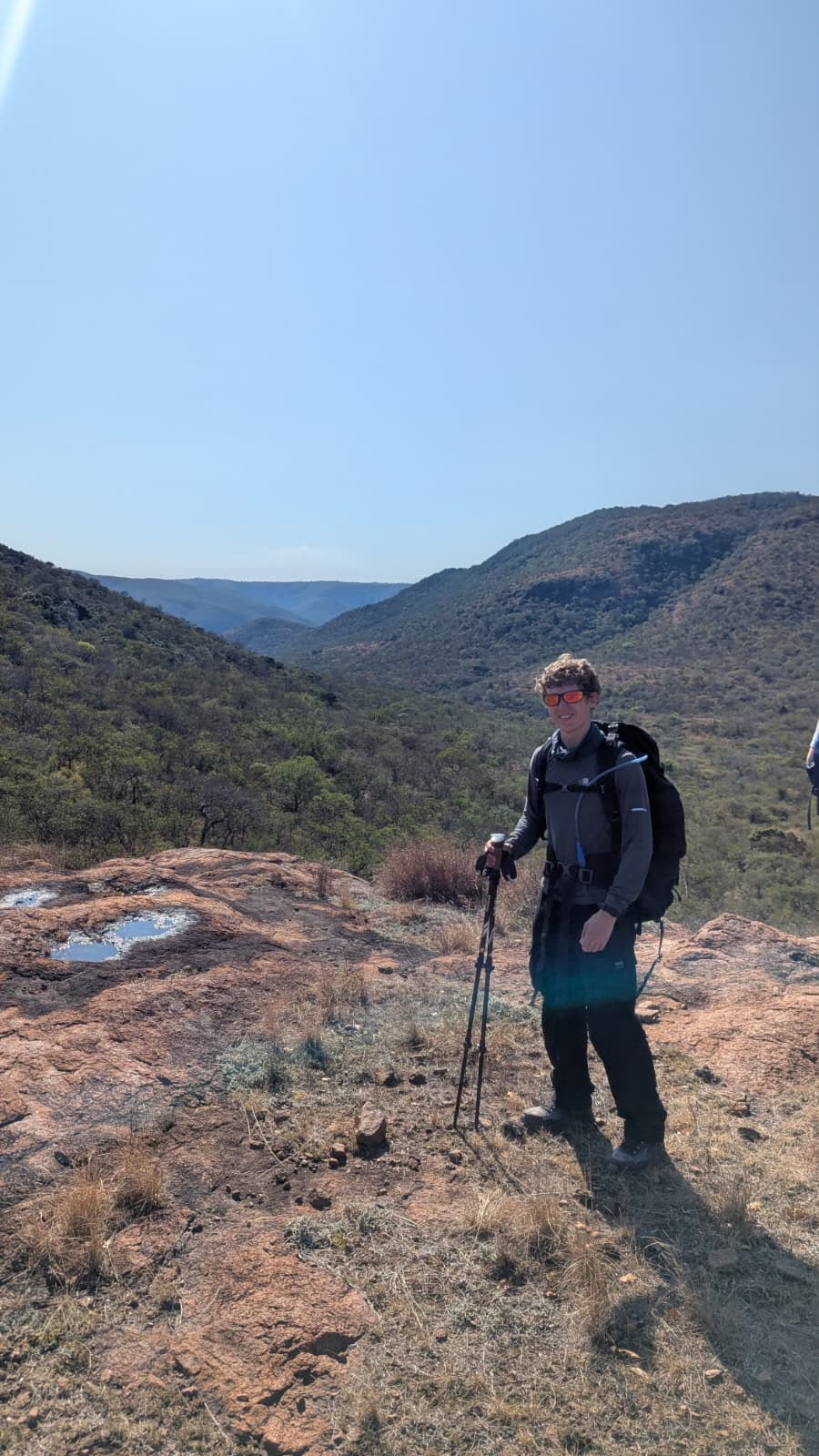
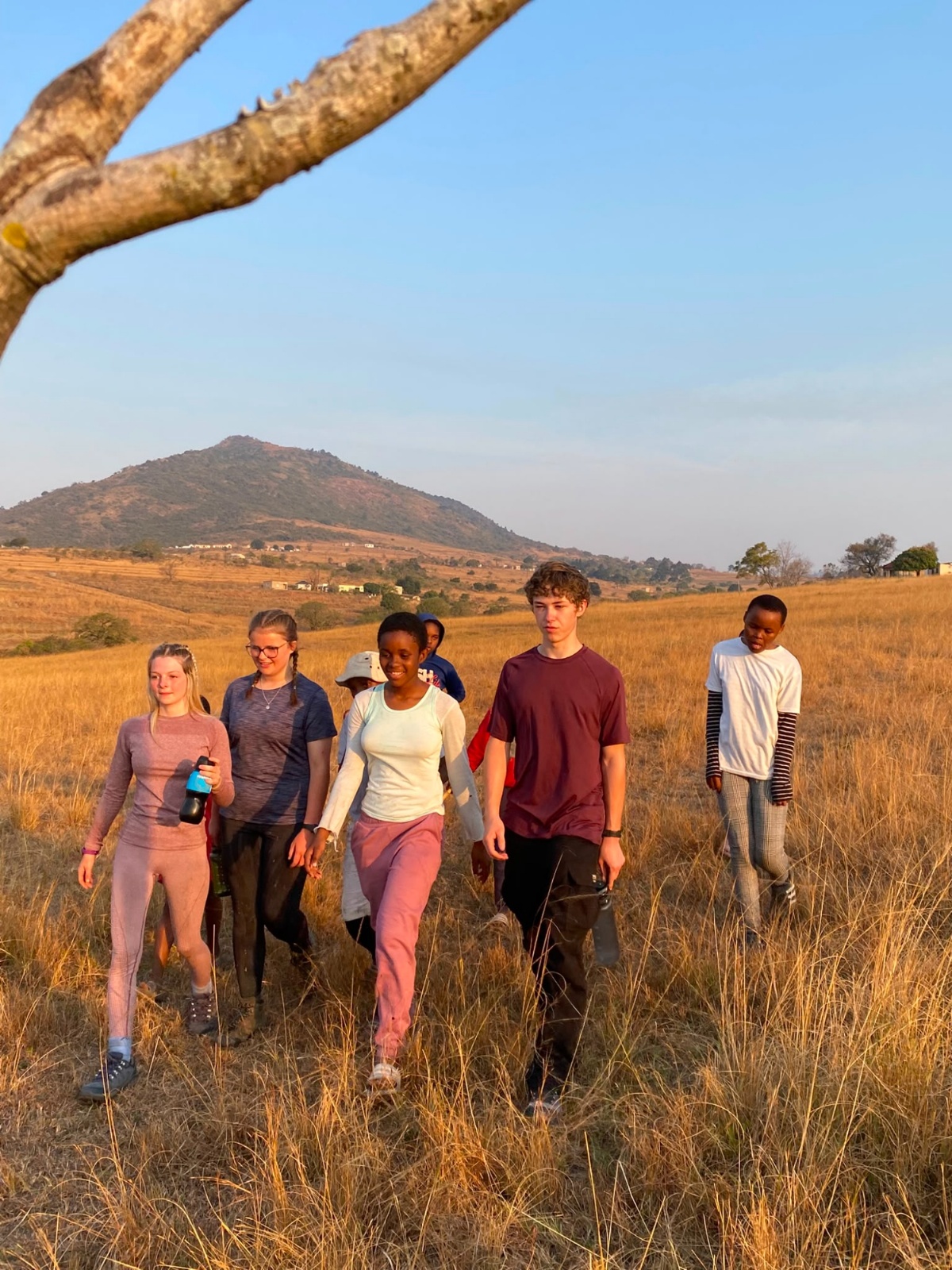
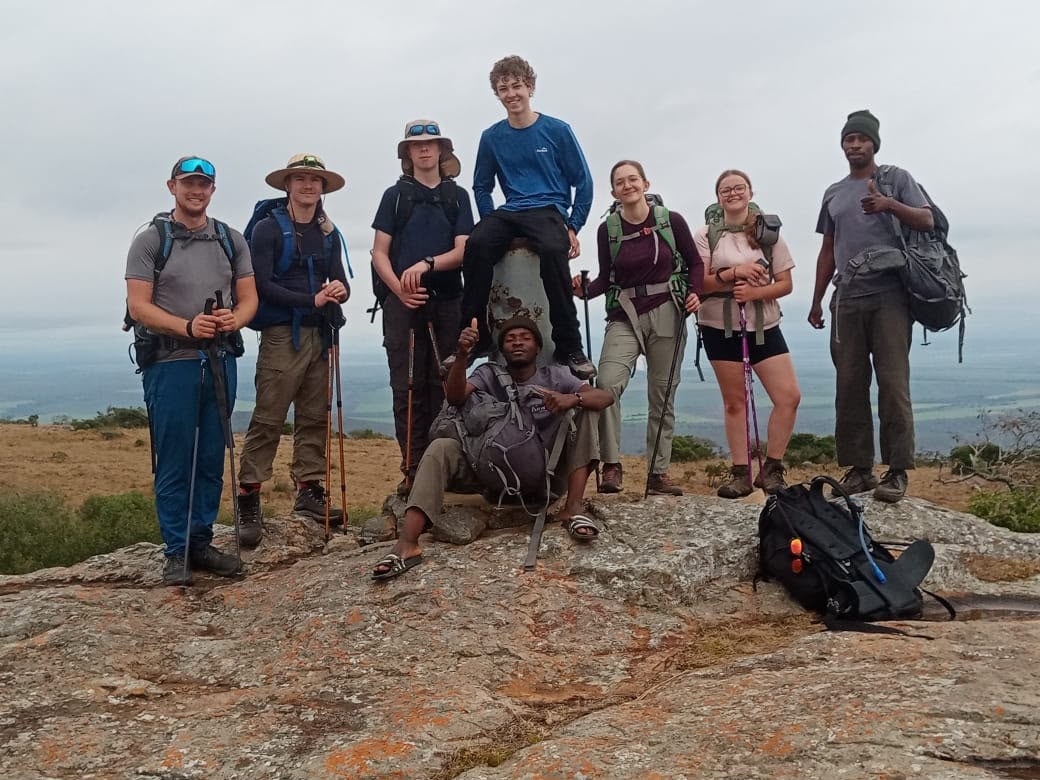
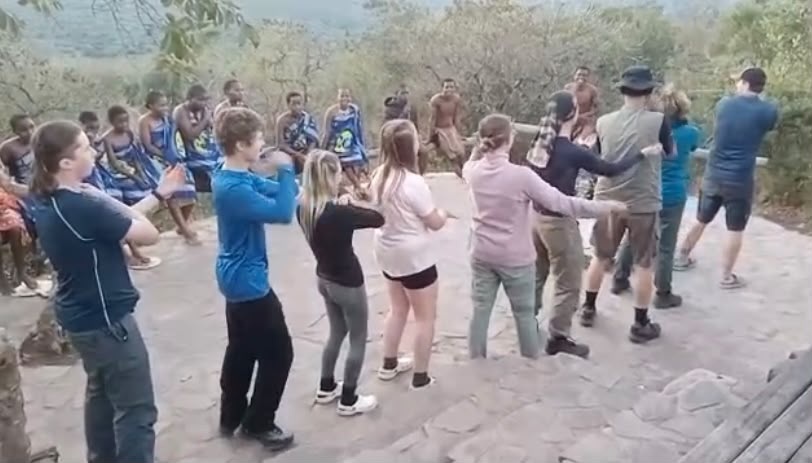
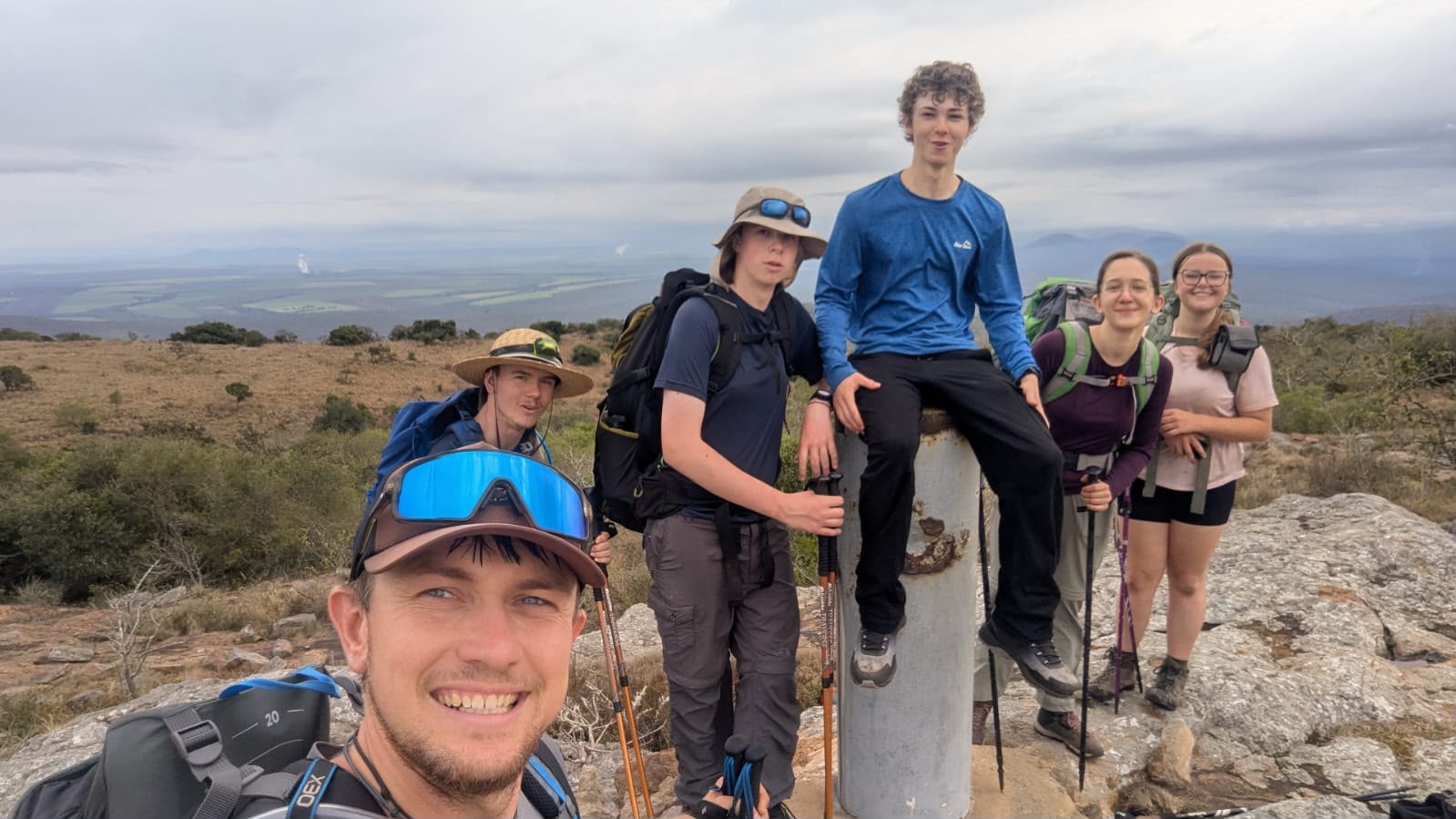
Back in Eswatini, the group tackled the challenging Lubombo Trail, trekking through steep and rocky terrain while taking in spectacular landscapes and sunsets. Their time in Eswatini concluded with an evening of traditional national dancing, performed by local students, with the Medina, Carisbrooke and Island VI Form students invited to join in.
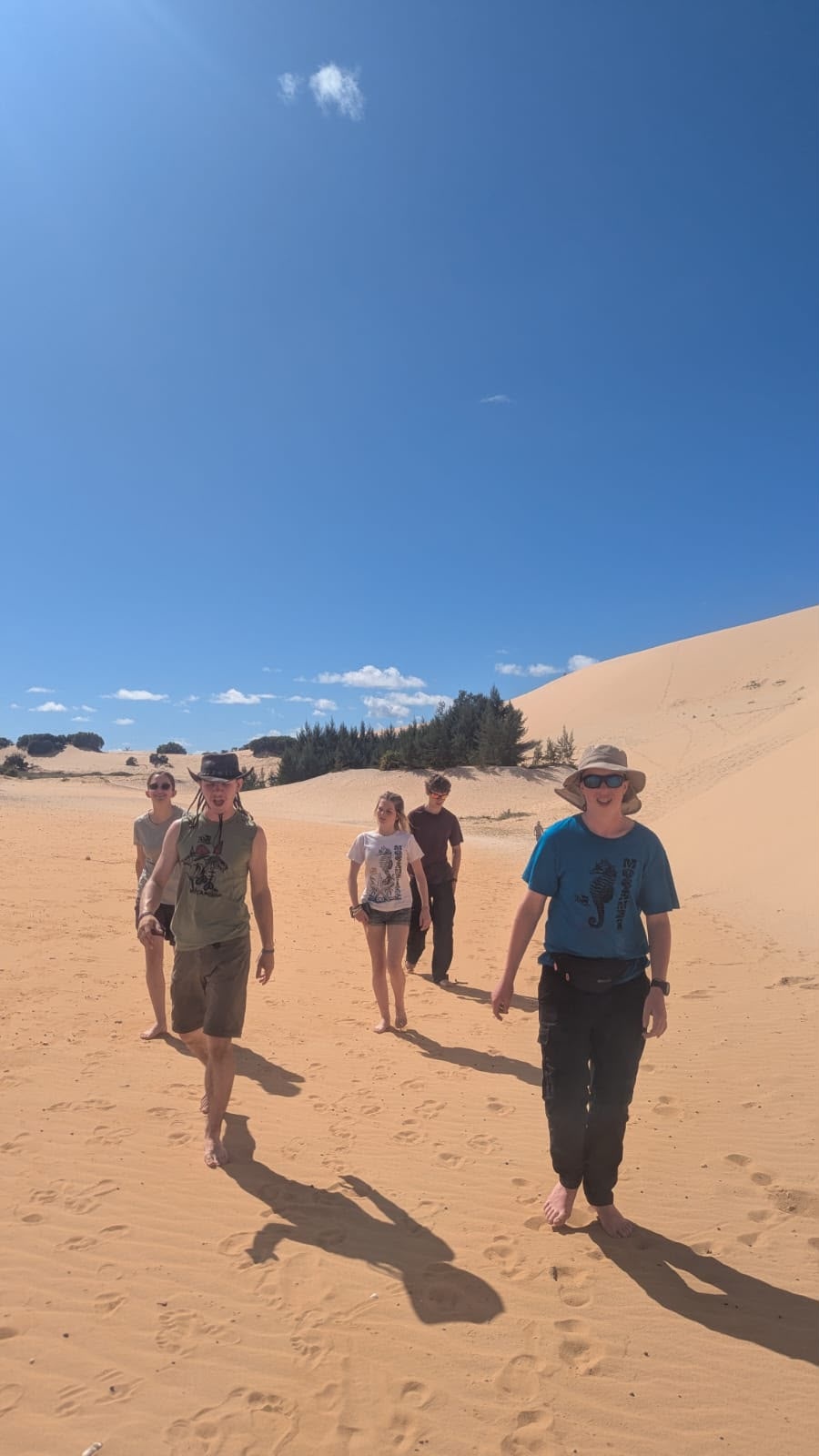
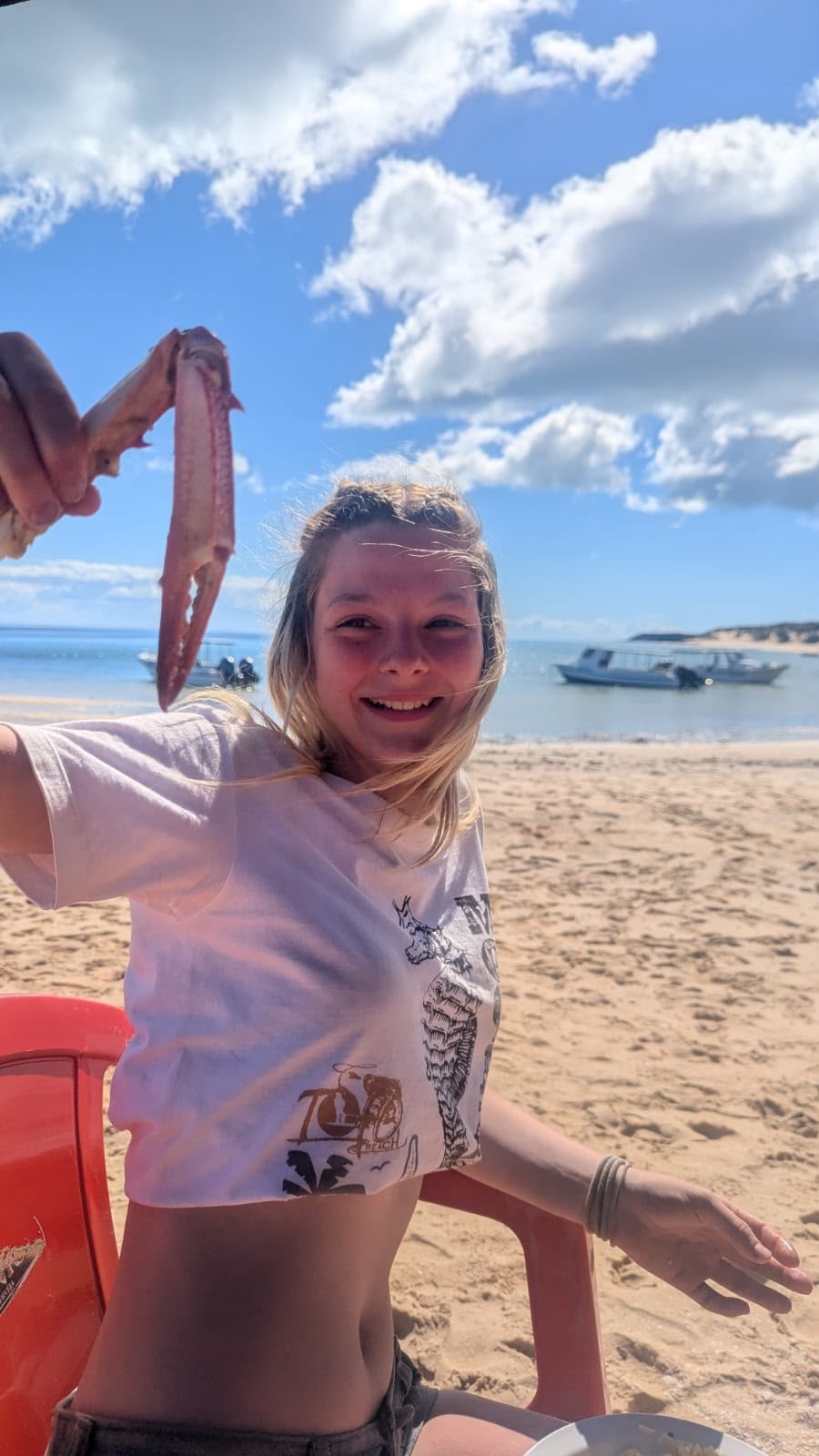
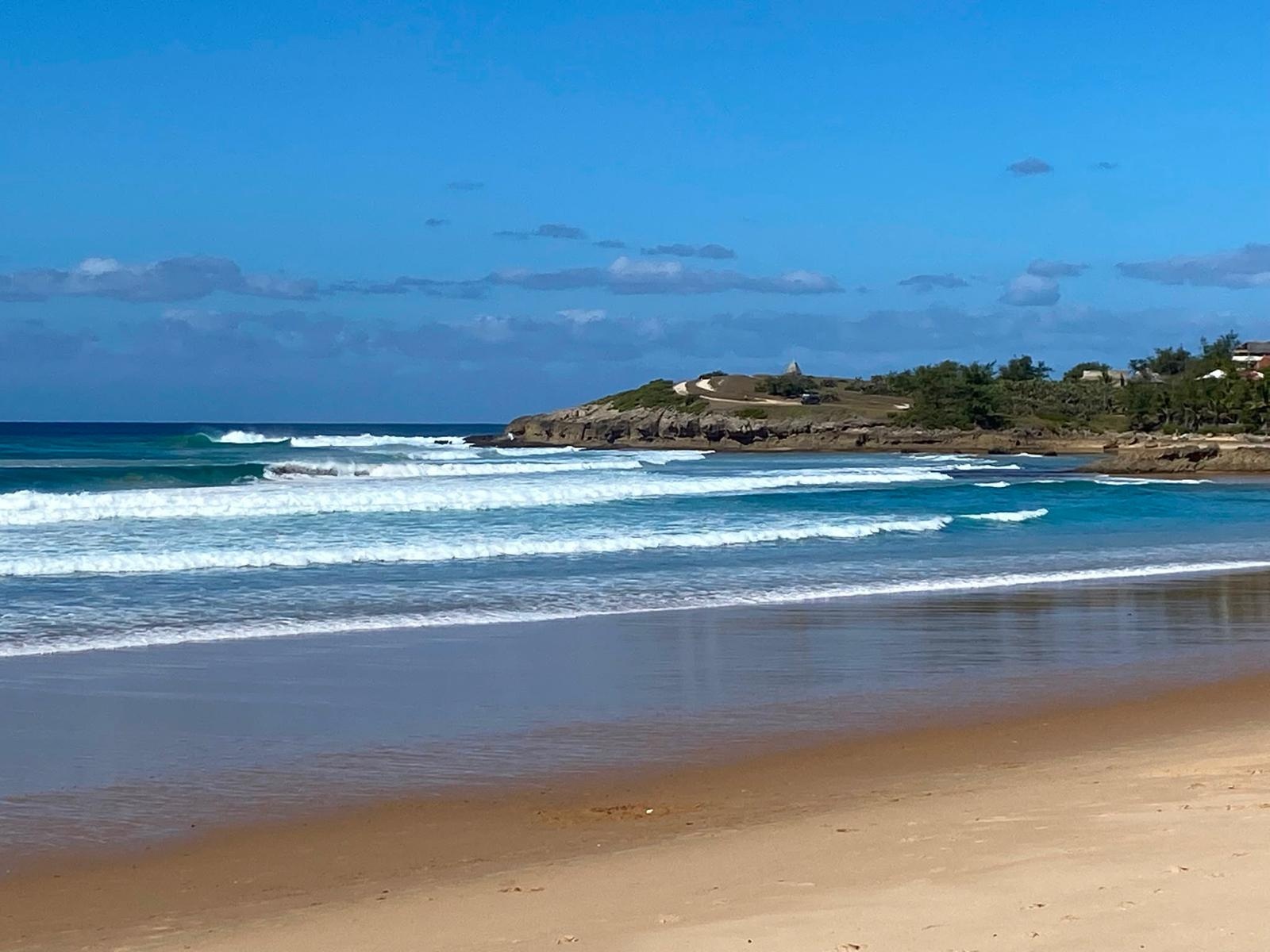
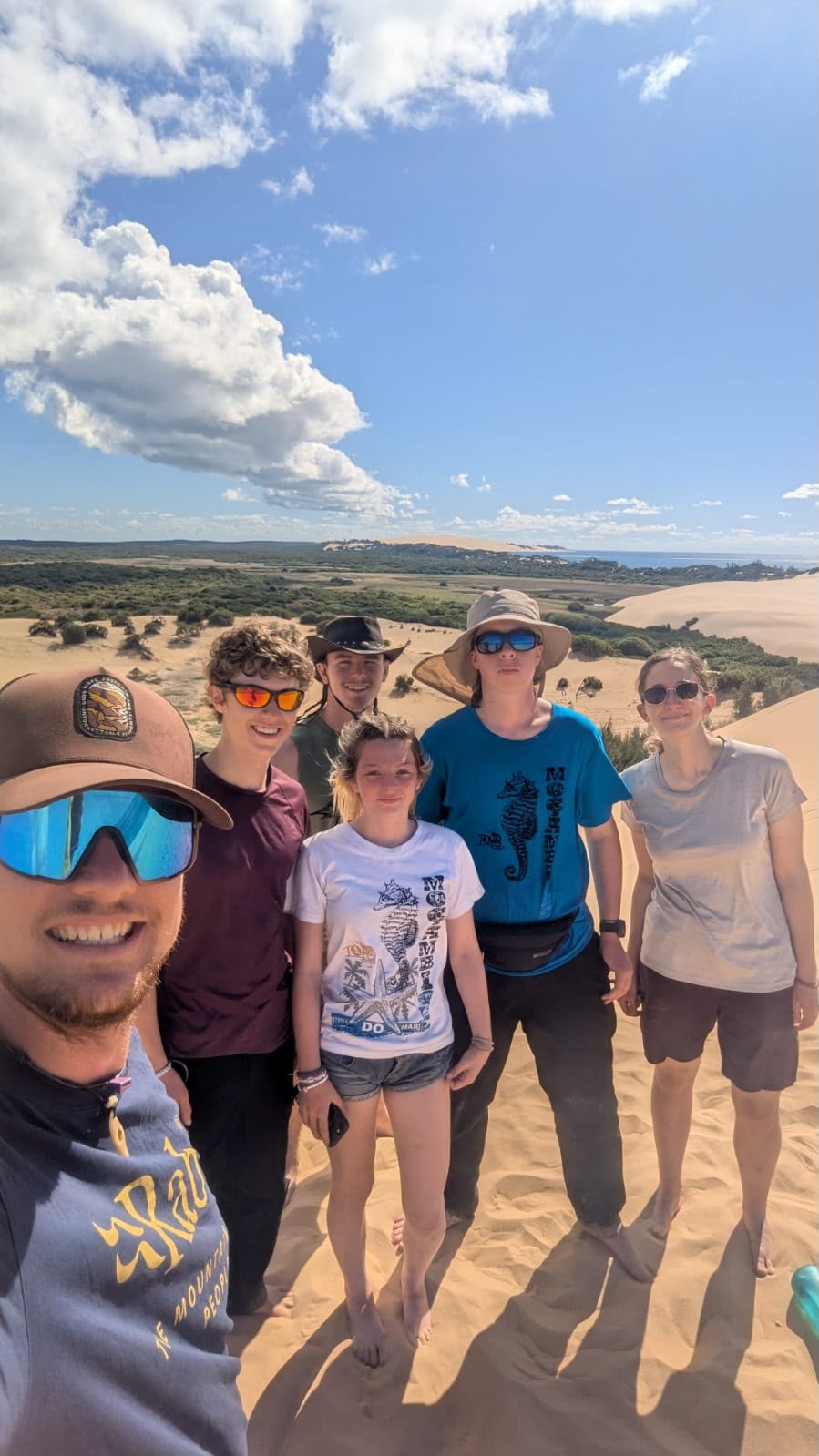
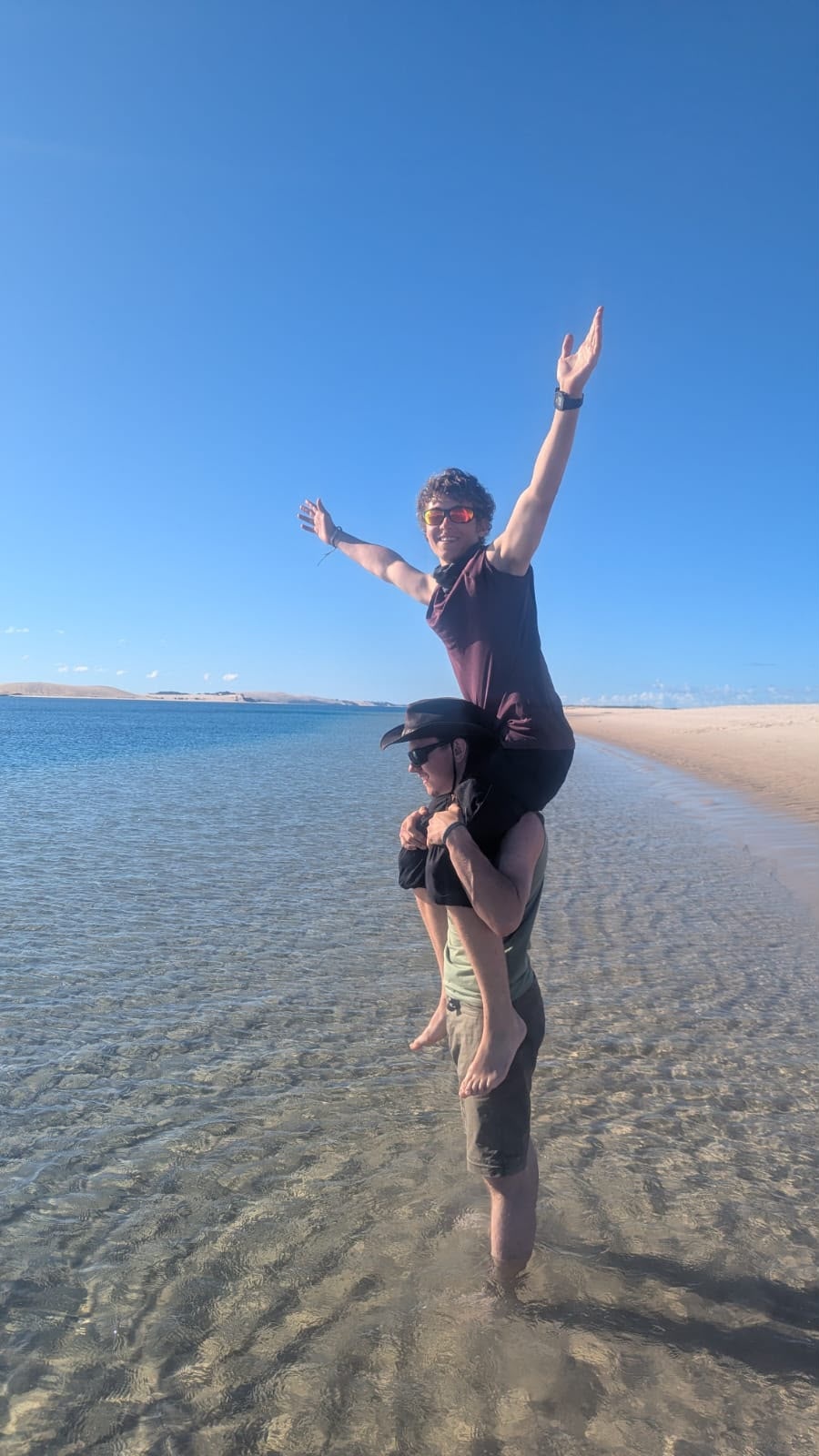
The final stage of the expedition took the group to the coast of Mozambique, where their focus shifted to marine conservation. Alongside the unforgettable whale shark encounter, students took part in activities designed to help them understand and protect the marine environment, gaining first-hand experience of conservation work and the challenges facing our oceans.
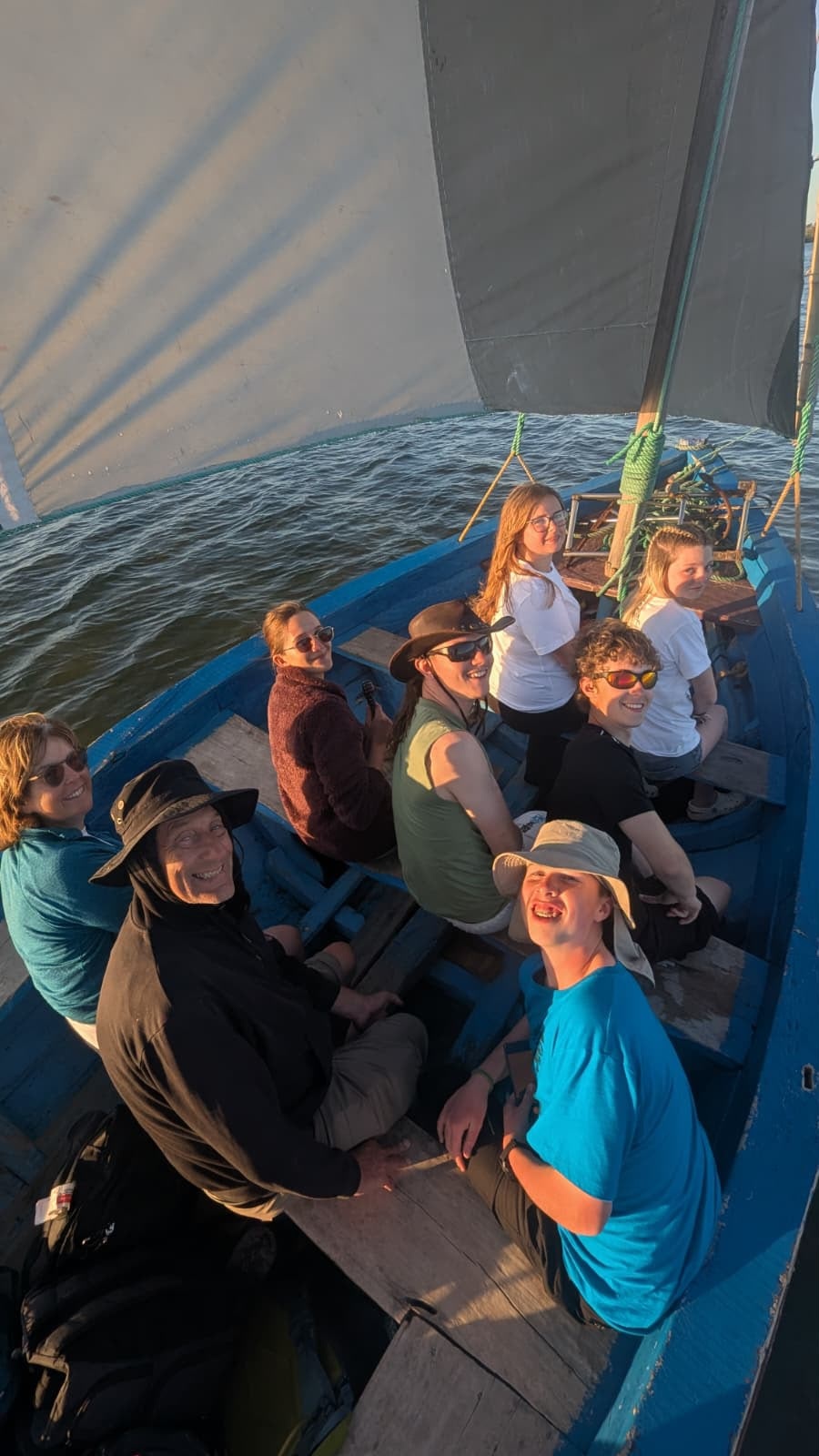
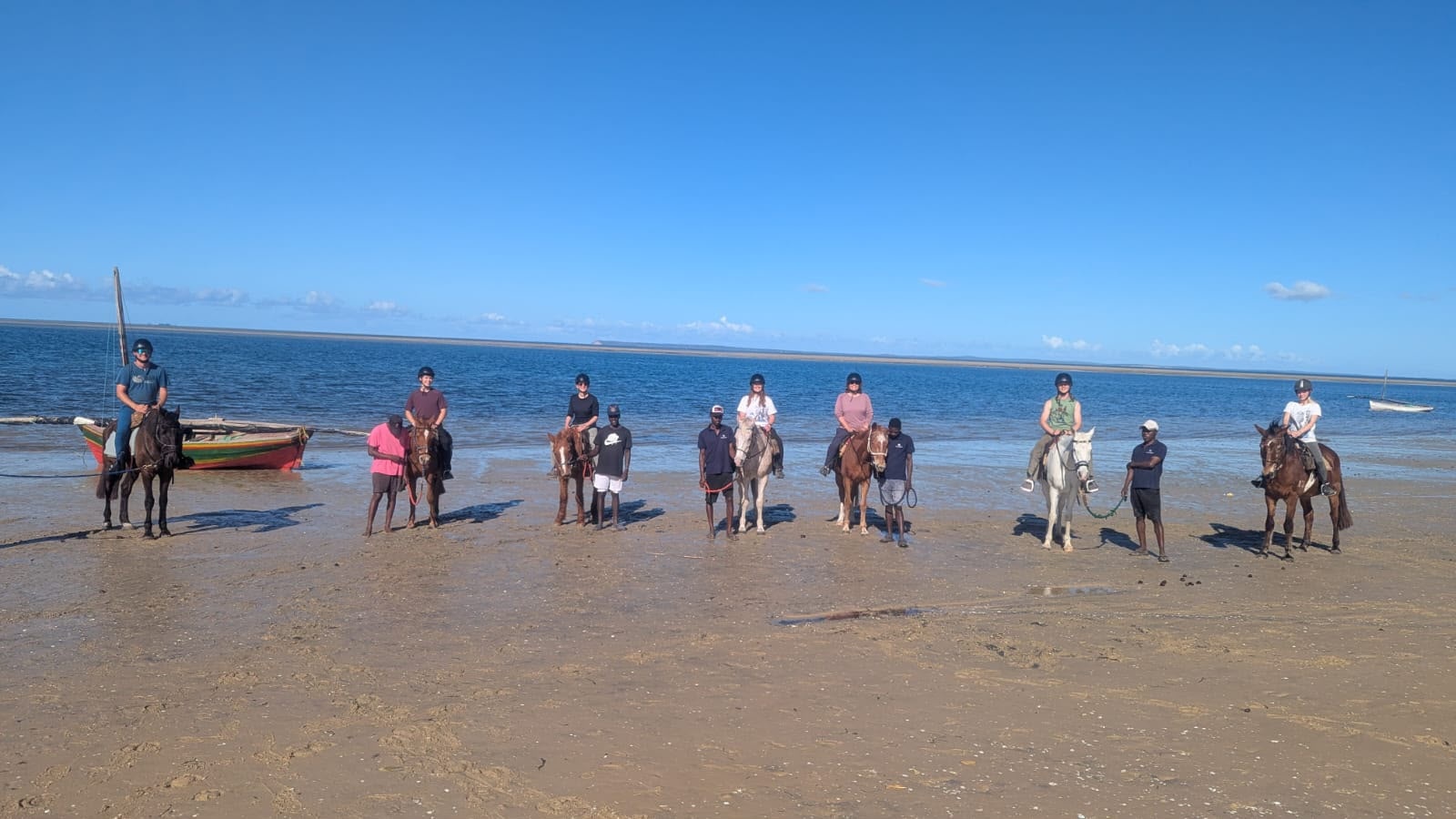
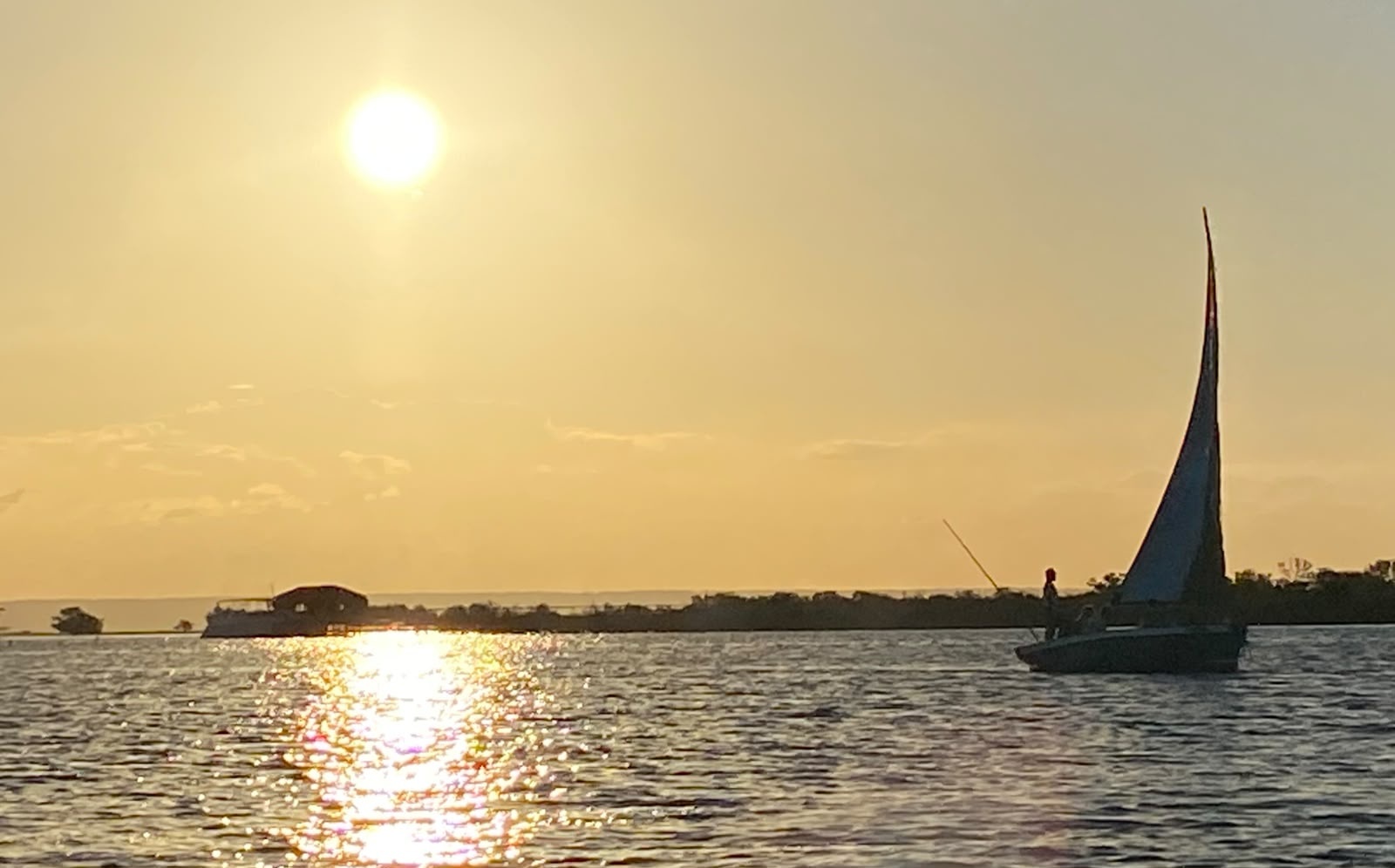
The expedition concluded with a few days in Vilanculos, where students enjoyed horse riding and a boat trip before beginning their journey home.
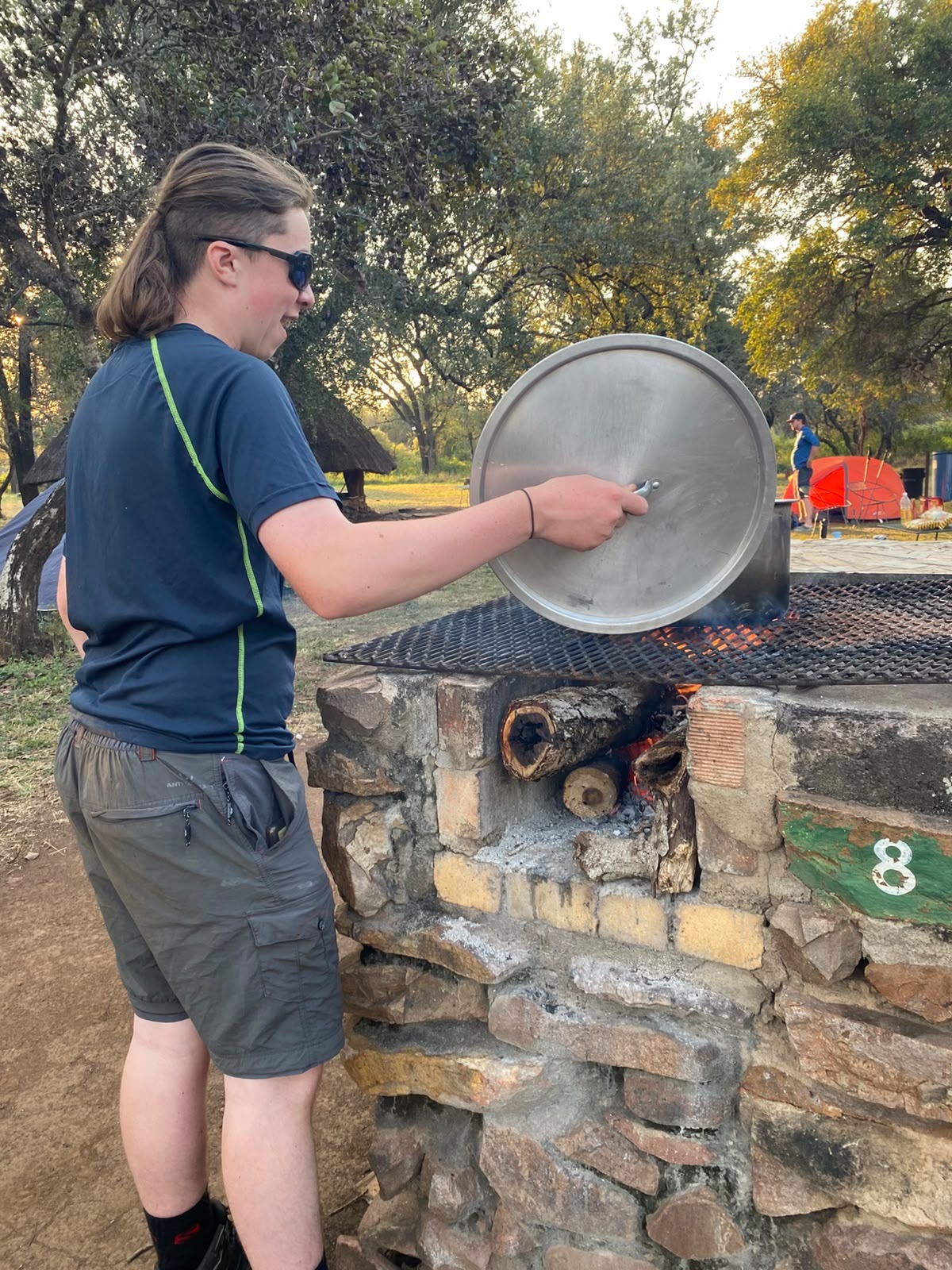
For many of the students, the experience was about far more than travelling to another part of the world. Living in tents, cooking meals over open fires, working alongside local communities and taking part in conservation projects challenged them to become more independent, resilient and adaptable.
Students described the expedition as a life-changing experience, with memories that will stay with them for their whole lives.
From making a tangible difference to a local community in Eswatini to contributing to marine conservation in Mozambique, and helping to officially identify a whale shark for the first time, the expedition gave students an extraordinary opportunity to experience the world beyond the classroom and make a meaningful contribution along the way.